
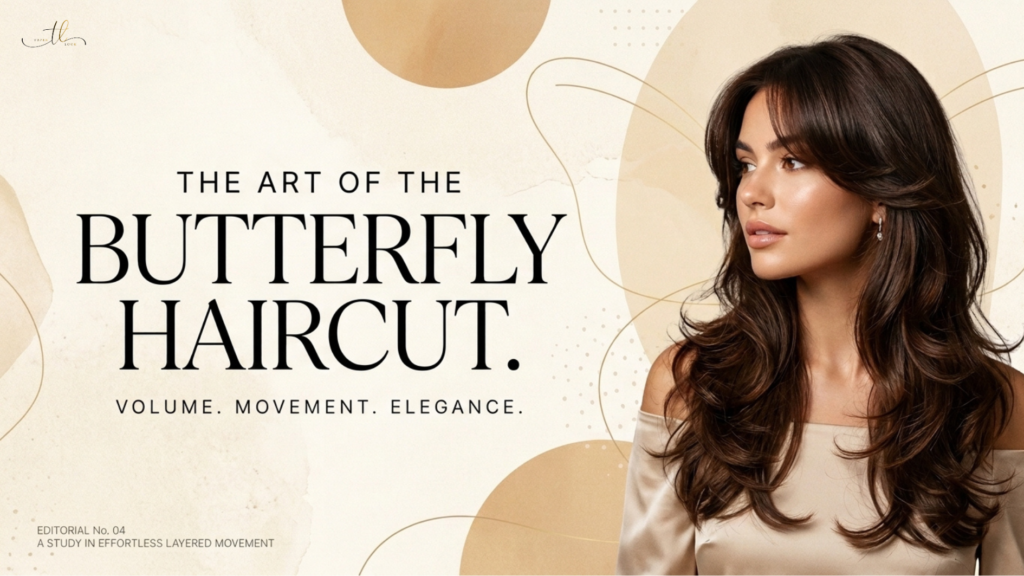
Choosing a haircut can feel difficult when you want more volume without losing your hair length. The butterfly haircut offers a stylish solution by combining short, face-framing layers with longer sections underneath. This layered hairstyle creates movement, softness, and a fuller-looking shape while allowing you to keep much of your length.
But does a butterfly haircut suit your face shape? The answer depends on your facial features, hair texture, hair density, and preferred styling routine. A version that looks beautiful on thick, wavy hair may need adjustments for fine, straight strands. Fortunately, the haircut can be customized for many different needs.
In this guide, you will discover which face shapes suit a butterfly haircut, how to choose the right variation, and how to style it at home. You will also learn about maintenance, common mistakes, and practical ways to discuss your desired look with a hairstylist.
What Is a Butterfly Haircut, and Why Is It So Popular?
A butterfly haircut is a layered hairstyle that features shorter pieces around the face and longer layers through the remaining hair. The shorter sections create movement around the cheeks and chin, while the longer sections preserve the appearance of length. When styled with volume, the layers spread outward and create a soft, wing-like effect.
Unlike a blunt haircut, which keeps the ends relatively even, this style uses different lengths to create dimension. The shortest pieces can begin around the cheekbones, jawline, or chin, depending on your preferences. The longer layers help the hairstyle maintain a flowing appearance instead of looking dramatically shorter.
The butterfly haircut remains popular because it offers a noticeable change without requiring a complete transformation. You can enjoy more movement and face-framing detail while keeping your long hair. It also works with several styling approaches, including smooth blowouts, loose waves, and natural textures.
Another reason people choose this hairstyle is its flexibility. You can wear it with curtain bangs, longer front pieces, or no bangs at all. A stylist can also adjust the layer lengths to suit your hair density and face shape. However, the haircut does not automatically make every hair type look thicker. The result depends on how the layers are cut and styled.
How Is a Butterfly Haircut Different From Other Layered Haircuts?
The butterfly haircut is more specific than a general layered hairstyle. Its defining feature is the contrast between shorter face-framing sections and longer lengths underneath. These layers create movement near the face while allowing the back of the hair to retain its length.
A traditional layered haircut can use subtle or dramatic layers throughout the hair. A butterfly haircut focuses more strongly on the front sections, creating a distinctive shape around the cheeks and jawline. This makes it a useful choice for people who want their hair to look more dynamic without losing the appearance of long hair.
A wolf cut usually has a shaggier, more textured finish. It often features shorter crown layers, choppy ends, and a deliberately tousled silhouette. A shag haircut also emphasizes texture, although its shape can vary significantly. By comparison, butterfly layers are often softer and more blended, particularly when styled with a smooth blowout.
Curtain bangs are another feature people sometimes confuse with the butterfly haircut. Curtain bangs are a type of fringe that parts near the middle and sweeps outward. They can complement butterfly layers, but they are not essential to the haircut itself.
| Hairstyle | Main feature | Overall appearance |
| Butterfly haircut | Short front layers and longer lengths | Soft, flowing, and voluminous |
| Wolf cut | Shaggy layers and textured ends | Edgy and tousled |
| Shag haircut | Multiple textured layers | Relaxed and deliberately messy |
| Traditional layered haircut | Layers distributed throughout the hair | Customizable shape and movement |
| Curtain bangs | Fringe that sweeps away from the center | Face-framing detail |
If you want soft movement and a long-hair appearance, butterfly layers may suit your preferences. If you prefer a messy, heavily textured style, a wolf cut or shag may be worth considering. Your stylist can help you compare the options using photos that reflect your hair texture and desired finish.
Which Face Shape Does the Butterfly Haircut Suit Best?
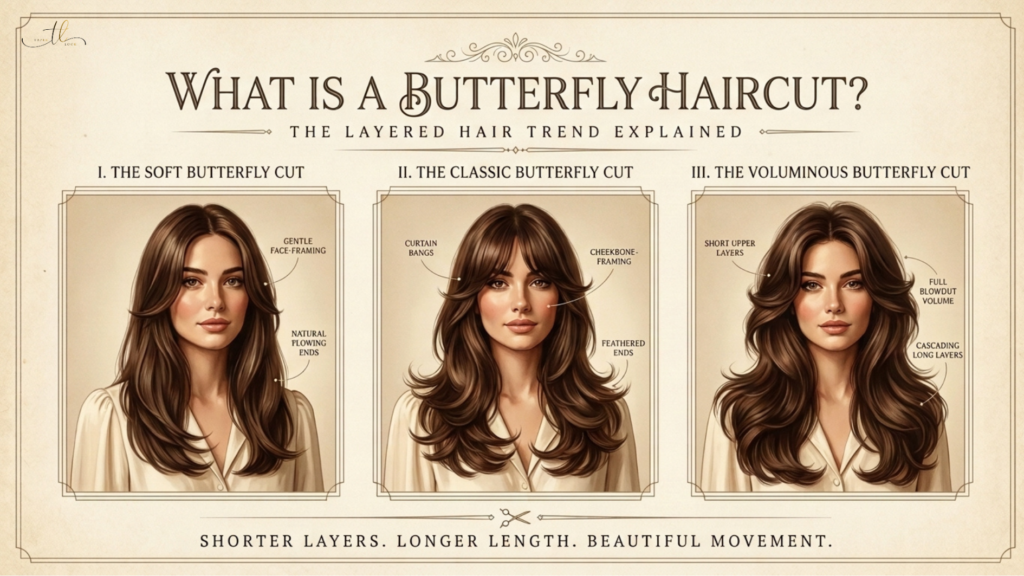
A butterfly haircut can work with many face shapes because the layer placement is adjustable. The goal is not to hide your natural features. Instead, the right haircut can emphasize the areas you like and create the overall silhouette you prefer.
For a round face, longer front layers may create a more elongated appearance. Oval faces offer flexibility with different layer lengths, while square faces may suit soft, flowing pieces around the jawline. Heart-shaped faces can benefit from movement near the lower face, and long faces may look balanced with layers that add width around the cheeks.
A butterfly haircut for round face shapes often works well when the shortest pieces begin around the cheekbones or lower. This placement can draw attention downward and create a flowing outline. If you prefer curtain bangs, ask for a longer version that blends into the side layers.
For oval faces, the haircut can be customized in several ways. You might choose shorter face-framing sections to emphasize the cheekbones or longer layers for a subtle finish. The main consideration is maintaining a shape that works with your hair density and everyday styling habits.
A butterfly haircut for square face shapes can use feathered ends and soft front pieces to introduce movement around the jawline. You do not need to conceal a defined jaw. Instead, choose layers that complement your preferred look, whether that means smooth curves or loose waves.
For heart-shaped faces, layers around the chin and jawline can add visual fullness to the lower part of the hairstyle. Curtain bangs may also frame the forehead, depending on their length and thickness. A stylist can adjust these details to suit your facial features.
People with long or oblong faces may prefer layers that add movement around the cheeks rather than excessive height at the crown. A butterfly haircut for diamond-shaped faces can emphasize the cheekbones while creating softer transitions near the forehead and jaw. These are styling suggestions, not strict rules. Your personal preferences should remain central to the decision.
Is a Butterfly Haircut Suitable for Your Hair Type and Texture?
Your hair texture and density influence how butterfly layers behave. Thick hair often has enough density to support noticeable layers, while fine hair may need a more restrained approach. Straight hair can show the haircut’s shape clearly, whereas waves and curls create natural movement.
For thick hair, strategic layers can reduce heaviness and help the hair move more freely. However, excessive layering may create unwanted width or make the ends look disconnected. Ask your stylist to preserve a balanced outline while removing weight where necessary.
A butterfly haircut for thin hair requires more careful planning. Shorter front pieces can create movement, but too many layers may make the ends appear sparse. If your hair is fine, request soft, blended layers that preserve as much density as possible. Lightweight styling products can help create lift without weighing the hair down.
Straight hair often displays the shape of the cut clearly. A round brush and blow-dryer can create curved ends and root lift, although the haircut can also be worn naturally. If your hair is very straight, ask for smooth transitions between the layers so the overall shape looks connected.
Wavy hair can enhance the soft, flowing appearance of butterfly layers with relatively little styling. Curly hair can also work beautifully, but curl shrinkage needs consideration. Sections may sit much higher once dry, so your stylist should account for your natural curl pattern before choosing the shortest layer length.
Hair length also matters. A long butterfly haircut provides enough space for a noticeable contrast between short and long layers. Medium-length hair can support a softer version, while a short butterfly haircut may resemble a layered bob or lob. If your hair is short, discuss what is realistically possible with your current length before expecting the same result as a long-hair reference photo.
Best Butterfly Haircut Styles to Try in 2026
The best butterfly haircut variation depends on the result you want and how much time you spend styling your hair. Some versions emphasize dramatic face-framing layers, while others create subtle movement throughout the length. Consider your daily routine before choosing a style that depends on frequent blow-drying or carefully shaped bangs.
A long butterfly haircut is a useful option if you want to maintain length while creating more movement. The shorter front sections frame the face, while the longer layers preserve a flowing shape. This variation often looks especially defined with a blowout or loose waves.
A short butterfly haircut adapts the same concept to a shorter base length. The result may resemble a layered lob with feathered front pieces. Since there is less length available, the stylist must balance the layers carefully to avoid a disconnected silhouette.
A butterfly haircut with curtain bangs creates additional framing around the forehead and eyes. The bangs sweep outward and blend into the shorter side layers. If you do not want the responsibility of maintaining fringe, ask for longer face-framing pieces instead.
A butterfly haircut with face-framing layers but no bangs can provide a more understated appearance. The front pieces can begin near the cheekbones or chin, depending on the effect you prefer. This option is particularly useful if you usually wear your hair behind your ears or want flexibility with different parting styles.
For medium-length hair, a customized butterfly cut can create movement without requiring very long strands. However, the stylist should avoid making the shortest sections too short compared with the overall length. Bringing reference photos that show a similar hair length can help you communicate the result you want.
How to Choose and Ask for the Right Butterfly Haircut
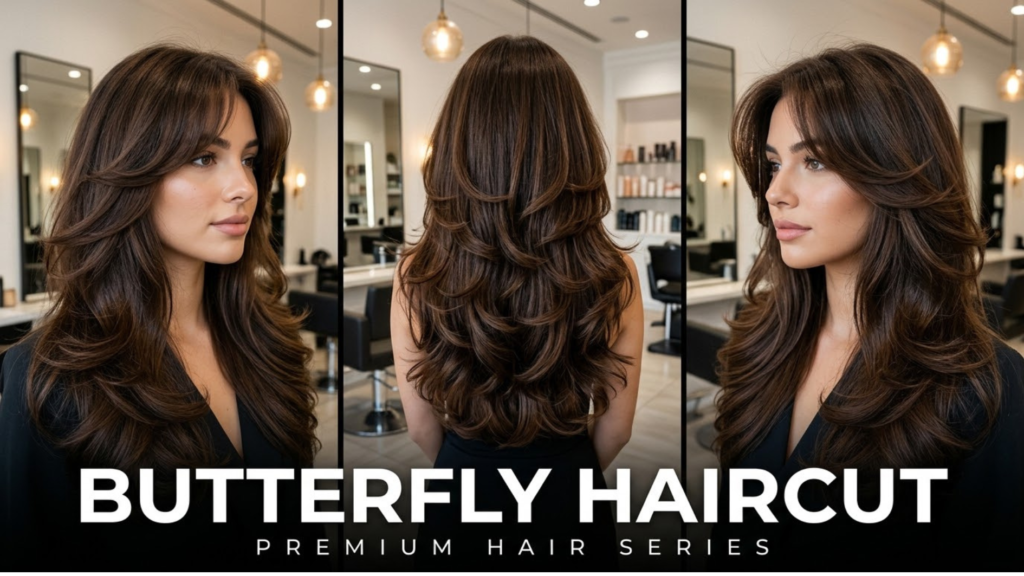
A successful salon appointment begins with understanding what you want the haircut to achieve. You might want extra volume, softer face-framing pieces, less heaviness, or a noticeable change without losing length. Explain these priorities before discussing specific layer lengths.
Bring two or three reference photos that show the front, sides, and back of the hairstyle. Whenever possible, choose examples with a similar hair texture and density to yours. A dramatic blowout on thick hair may look different on fine, straight strands, even when the cutting technique is similar.
During your salon consultation, explain how you normally wear your hair. If you prefer air-drying, tell your stylist before choosing a version that depends on a polished blowout. If you regularly use a round brush or curling iron, you may be comfortable with more defined layers.
Ask where the shortest pieces will fall and how much length the cut will remove. You should also discuss whether you want curtain bangs, subtle framing, or more dramatic layers. These details help prevent misunderstandings about the final shape.
Avoid choosing a haircut based only on a person’s face shape or social media photo. Their hair may have a different density, texture, or styling history. Instead, focus on the specific features you like and ask your stylist how to adapt them to your hair.
How to Style a Butterfly Haircut at Home
Styling can emphasize the movement and volume of butterfly layers, but your routine does not need to be complicated. The classic bouncy finish often comes from lifting the roots and curving the front pieces away from the face. You can achieve a softer result with air-drying or heat-free techniques.
To create a blowout, begin with clean, damp hair and apply a heat protectant. If your hair needs extra lift, use a small amount of lightweight volumizing mousse. Avoid applying heavy products near the roots if they make your hair look flat.
Dry the roots first, lifting sections away from the scalp. Then use a round brush to guide the front layers away from your face. Work through manageable sections, directing the airflow along the hair rather than holding it in one place for too long. Allow each section to cool before loosening it to help the shape settle.
For the longer layers, use the brush to create gentle curves instead of tight curls. Finish with a light styling product if needed. The aim is soft movement rather than a stiff, overly polished result.
You can also style a butterfly haircut without heat. Apply a suitable leave-in product to damp hair, then position the front sections away from your face as they dry. Wavy or curly hair may need only a little scrunching to encourage its natural texture. Straight hair may require heat-free rollers or clips for a more noticeable curve.
Choose products according to your hair’s needs. Fine hair may respond well to lightweight mousse, while dry or curly hair may benefit from a suitable leave-in conditioner. You do not need every product available. A simple routine that supports your natural texture is often easier to maintain.
Butterfly Haircut Maintenance, Costs, and Common Problems
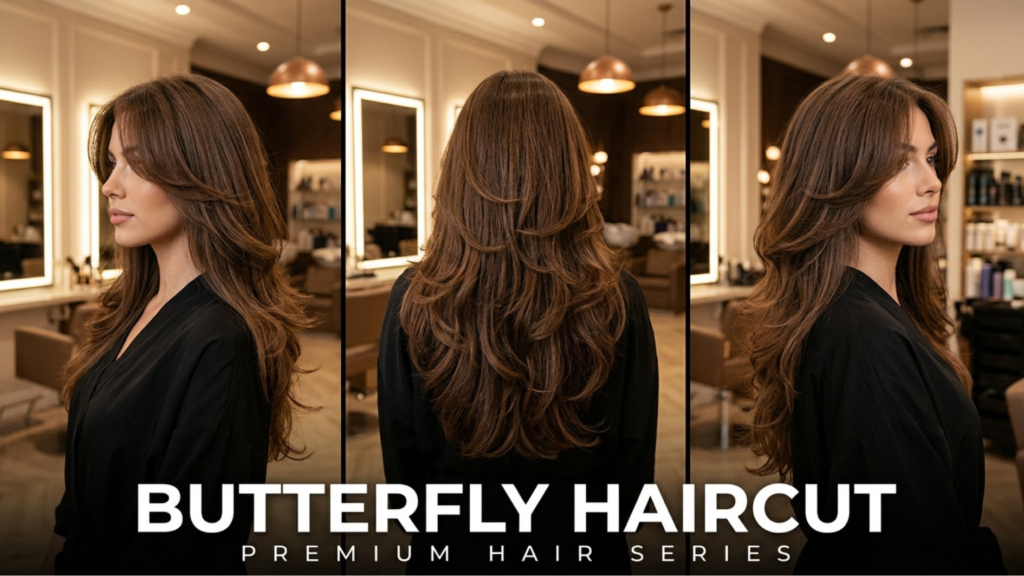
The maintenance required for a butterfly haircut depends on the layer lengths and the finish you want. Shorter front pieces may need reshaping as they grow, while longer layers can gradually blend into a softer silhouette. If you prefer a precise, salon-styled appearance, you may need more regular appointments than someone who enjoys a relaxed, grown-out look.
Salon costs vary by location, stylist experience, hair length, and included services. A haircut with washing and blowout styling may cost more than a basic trim. Ask the salon for an estimate before booking and check whether the price includes styling.
To keep your layers looking fresh, focus on healthy ends and a styling routine that suits your hair. If your roots look flat, try adjusting your drying technique before adding more product. If the ends appear dry, use appropriate conditioning products and limit unnecessary heat exposure.
One common problem occurs when the front layers fall into the face. Drying them away from the face or using a suitable styling tool may help. If the hair looks disconnected, the original layer placement may need professional adjustment. Avoid cutting additional sections yourself because removing more length can make the shape harder to correct.
Fine hair may lose the appearance of fullness when the stylist removes too much weight from the ends. Thick hair can become overly wide if the layers are not blended carefully. Curly hair may sit shorter than expected after drying. Discussing these concerns before the appointment can help your stylist choose a more suitable approach.
As the haircut grows out, the contrast between the short and long sections gradually changes. You can schedule a reshaping appointment if you want to maintain the original silhouette, or let the layers grow into a softer style. Your maintenance plan should reflect your preferred appearance rather than follow a rigid schedule.
Frequently Asked Questions
Is a butterfly haircut good for every face shape?
A butterfly haircut can be customized for most face shapes. Layer placement, fringe length, and volume can be adjusted to complement your features. Hair texture and personal preference also influence the final result.
Does a butterfly haircut make hair look thicker?
It can create the appearance of more volume through movement and carefully placed layers. However, it does not increase actual hair density. Fine hair usually benefits from restrained layering that preserves fullness at the ends.
Is a butterfly haircut suitable for thin hair?
Yes, but the cut should be customized to avoid removing too much density. Softer front layers can add movement while keeping the ends looking fuller. Your stylist can recommend suitable layer lengths based on your hair.
Does a butterfly haircut work on short hair?
A modified version can work on some short hairstyles, especially layered bobs and lobs. However, the classic butterfly effect is easier to create when there is enough length to show a clear contrast between the layers.
What is the difference between a butterfly haircut and a wolf cut?
A butterfly haircut usually features soft face-framing layers and longer lengths. A wolf cut typically has a more textured, shag-inspired shape with a deliberately tousled finish. Both styles can be customized to suit different preferences.
Final Thoughts
The butterfly haircut offers a flexible way to add movement, volume, and face-framing detail while keeping much of your hair length. It can suit round, oval, square, heart-shaped, long, and diamond-shaped faces when the layers are customized appropriately. Your natural texture, hair density, and styling habits matter just as much as your face shape.
Before booking an appointment, decide whether you prefer dramatic layers, subtle framing, curtain bangs, or a low-maintenance finish. Bring suitable reference photos and discuss your expectations with your stylist. The best butterfly haircut is not necessarily the most dramatic version. It is the one that complements your features, works with your natural hair, and fits comfortably into your everyday routine.

Welcome to TaperLook! I’m Habib, a dedicated content writer with 1.5 year of experience in SEO, digital content, and website growth. I specialize in creating engaging, reader-friendly, and search-optimized content that helps websites reach a wider audience and strengthen their online presence.