
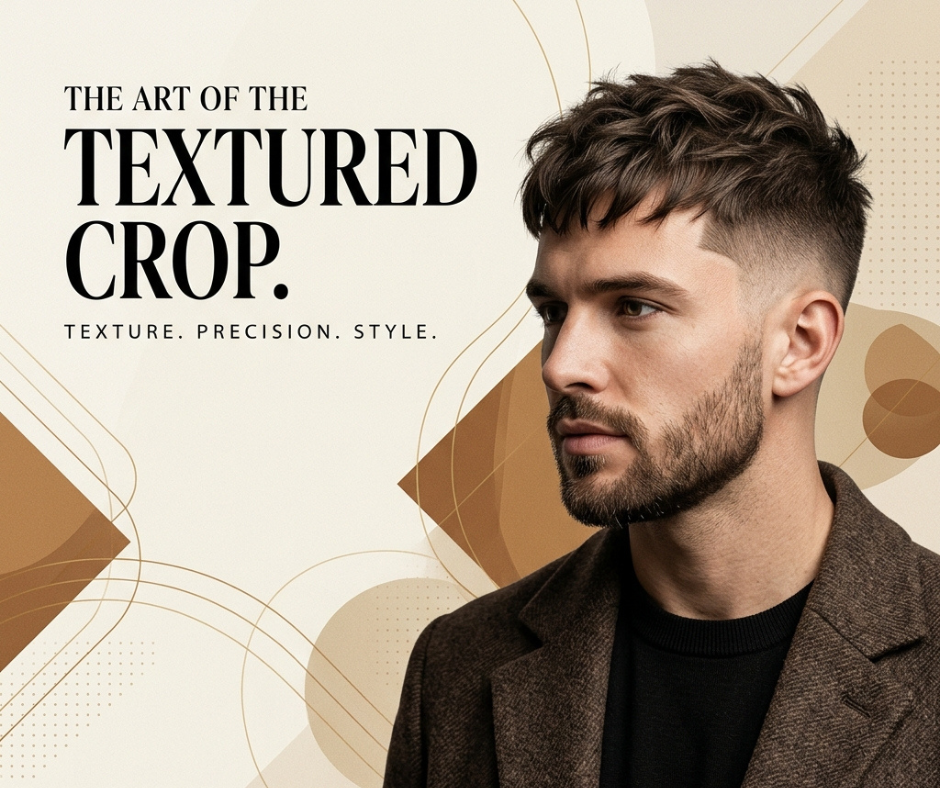
Looking for a modern haircut that combines sharp details with effortless styling? The Textured Crop Haircut is a popular choice for men who want a clean appearance without spending too much time styling their hair. It features a textured top, short sides, and a fringe that can be worn forward or slightly to the side.
You can customize it with a low taper, mid fade, or dramatic skin fade. Whether your hair is straight, wavy, curly, thick, or fine, there is a variation worth considering. This guide covers the best styles, fade options, face shapes, styling techniques, and maintenance tips.
What Is a Textured Crop Haircut?
A Textured Crop Haircut is a short men’s hairstyle that combines a layered top, a cropped fringe, and shorter sides. Barbers create its distinctive appearance by cutting the upper hair into uneven sections that produce natural separation and movement. The sides can feature a taper, a traditional fade, or a skin-close finish. Depending on your preferences, the result can look neat and professional or relaxed and messy.
One of the main advantages of this haircut is its versatility. A classic version creates a balanced everyday appearance, while a messy crop offers a more casual finish. The short sides and longer top also allow your barber to adjust the proportions to suit your hair density and face shape. Although the haircut is relatively easy to style, fades and fringes may require regular trimming. Choosing the right length and finish from the beginning makes daily maintenance much simpler.
12 Best Textured Crop Haircut Styles for Men in 2026
The best textured crop depends on your preferred appearance, natural hair texture, and styling routine. Some variations emphasize clean lines and sharp fades, while others focus on natural movement and a relaxed finish. Consider how much contrast you want between the top and sides before choosing your style.
1. Classic Textured Crop
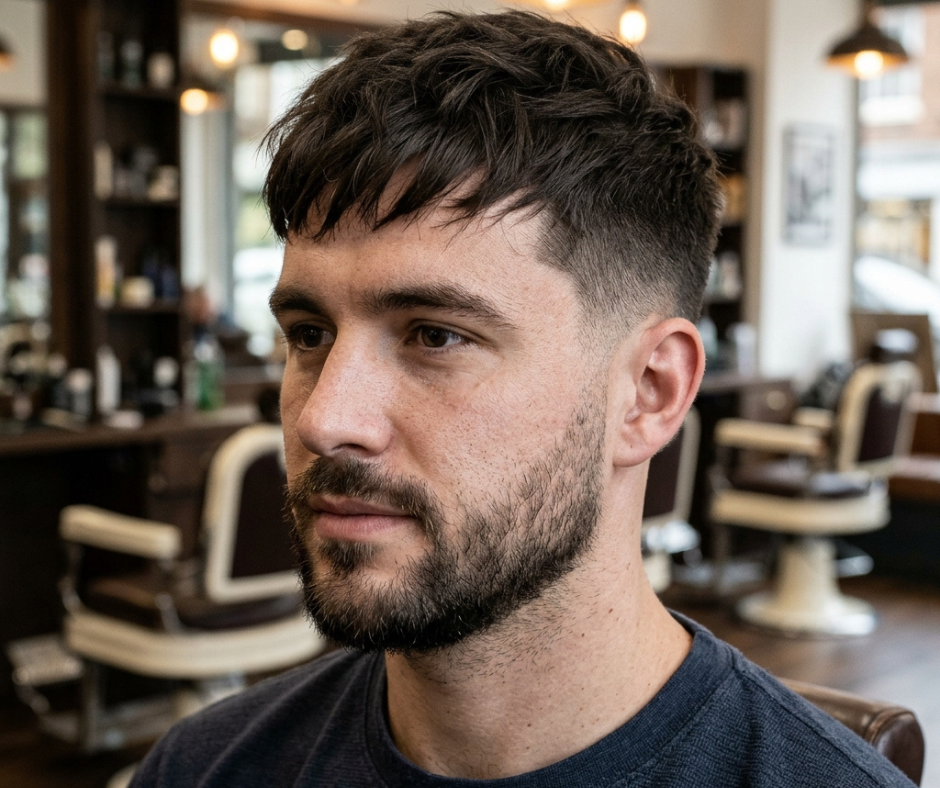
The Classic Textured Crop combines a choppy top, a natural forward fringe, and neatly trimmed sides. It offers a balanced appearance without the dramatic contrast of a high fade or undercut. This variation works well for everyday wear because you can style it quickly with your fingers. Apply a small amount of matte clay to dry hair and separate a few strands for natural definition.
2. Textured French Crop
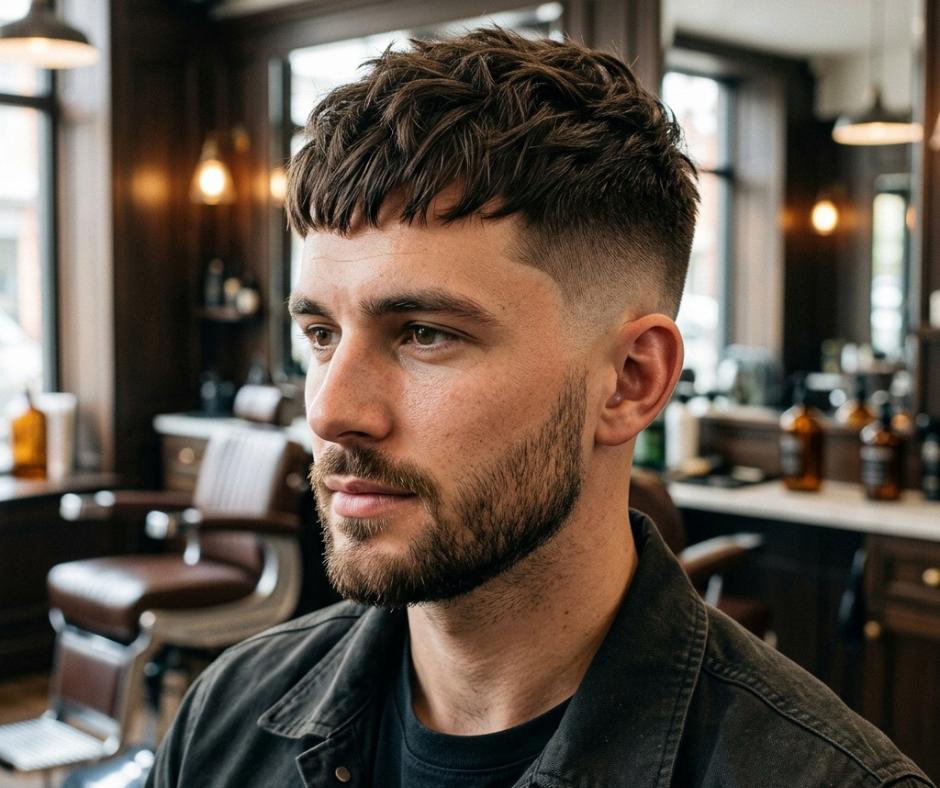
A Textured French Crop places greater emphasis on the fringe, which often creates a more defined line across the forehead. The upper hair can remain choppy or slightly layered, depending on your preference. This style suits men who want a structured haircut with relatively simple styling. Ask your barber to choose a fringe length that complements your forehead and natural hairline.
3. Textured Crop with Skin Fade
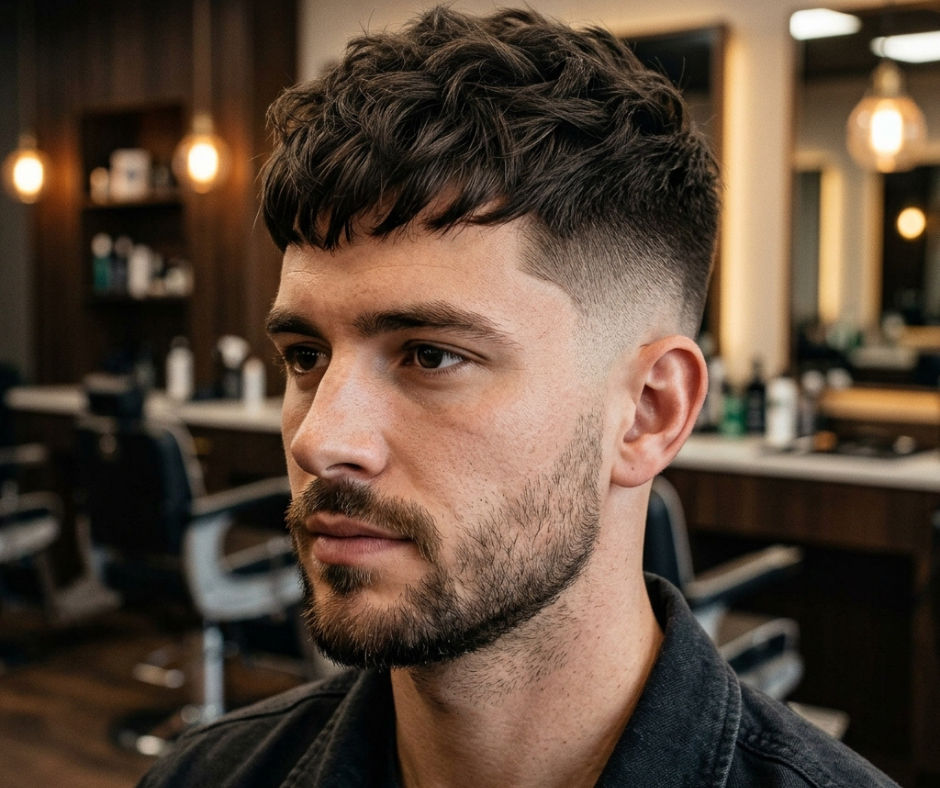
A Textured Crop with Skin Fade creates strong contrast by blending the sides down to bare skin. The longer, textured top becomes the main visual feature, making this variation look sharp and contemporary. It works particularly well when you want a noticeable difference between the sides and upper hair. However, skin fades reveal regrowth quickly, so regular barber visits help preserve the clean finish.
4. Textured Crop Taper Fade
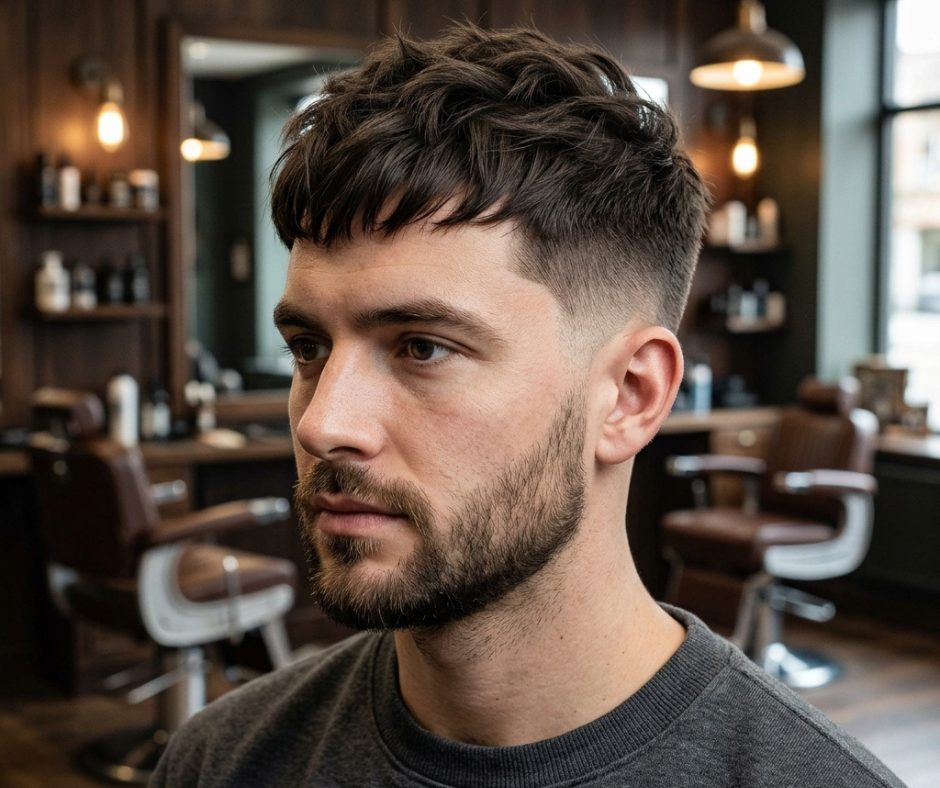
The Textured Crop Taper Fade offers a softer alternative to a full skin fade. Hair gradually becomes shorter around the temples and neckline while retaining more coverage elsewhere. This creates a clean, natural appearance that suits casual outfits and professional environments. It is also a practical option if you prefer a haircut that grows out without looking untidy too quickly.
5. High Fade Textured Crop
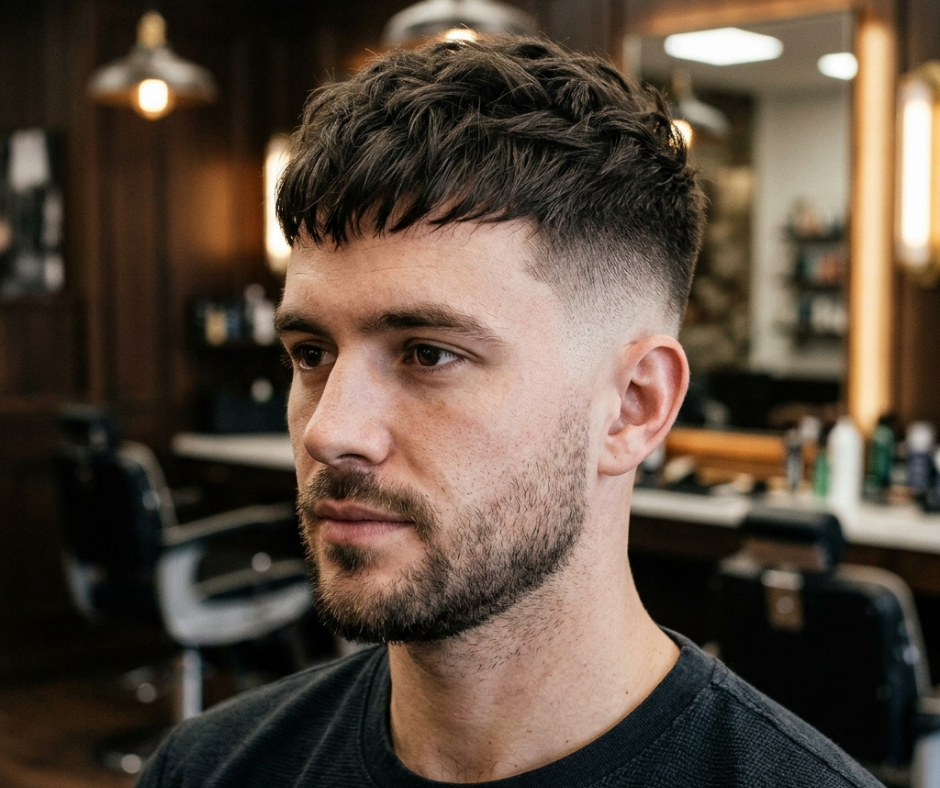
A High Fade Textured Crop features a fade that begins higher on the head, creating a bold contrast with the top. This variation works well for men who prefer sharp, modern haircuts. Keeping the upper section textured rather than excessively bulky helps maintain balanced proportions. Because the fade is prominent, you may need more frequent trims to preserve its original shape.
6. Low Fade Textured Crop
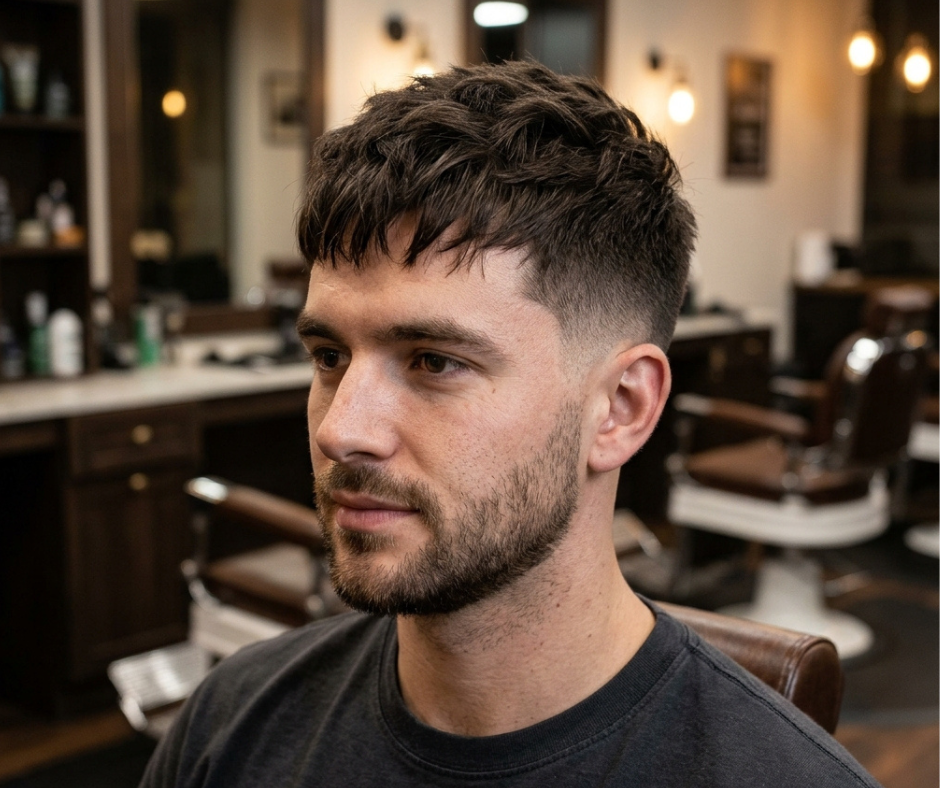
A Low Fade Textured Crop keeps the shortest section close to the ears and neckline. It provides a subtle transition while allowing more fullness around the upper sides. This makes it a good choice if you want a modern haircut without an aggressive appearance. Pair it with a classic fringe for a neat look or a messy top for something more relaxed.
7. Drop Fade Textured Crop
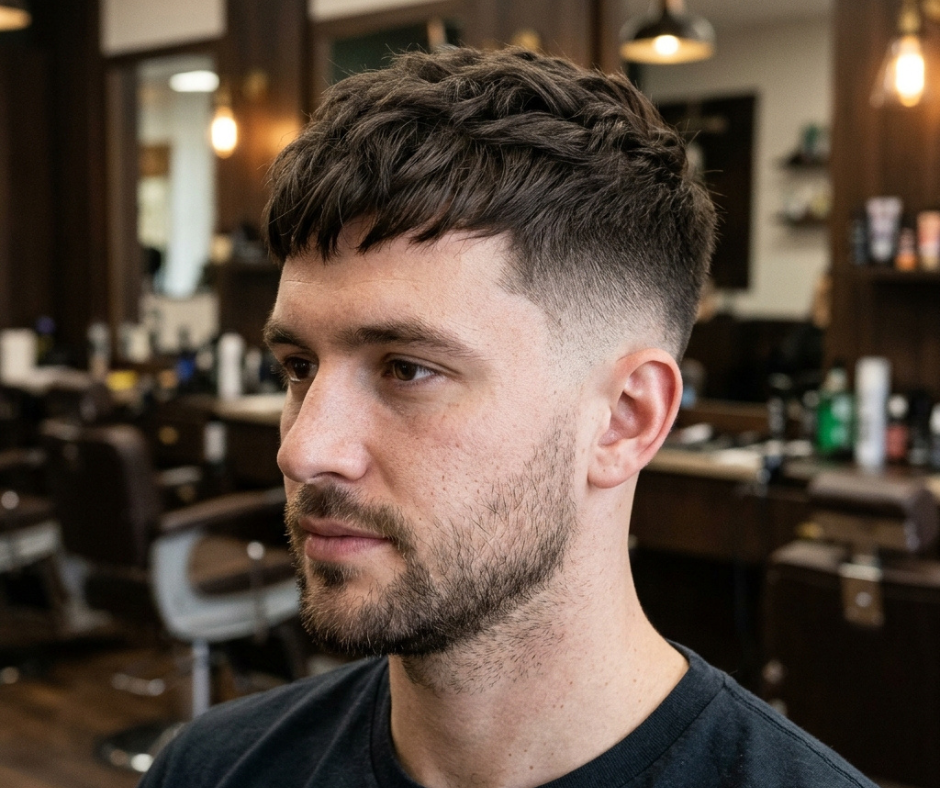
The Drop Fade Textured Crop features a curved fade that drops behind the ears rather than following a straight line around the head. This creates a distinctive side and back profile while keeping attention on the textured top. You can combine it with a short fringe or a longer, messier upper section. Tell your barber whether you prefer a subtle curve or a more noticeable drop.
8. Messy Textured Crop
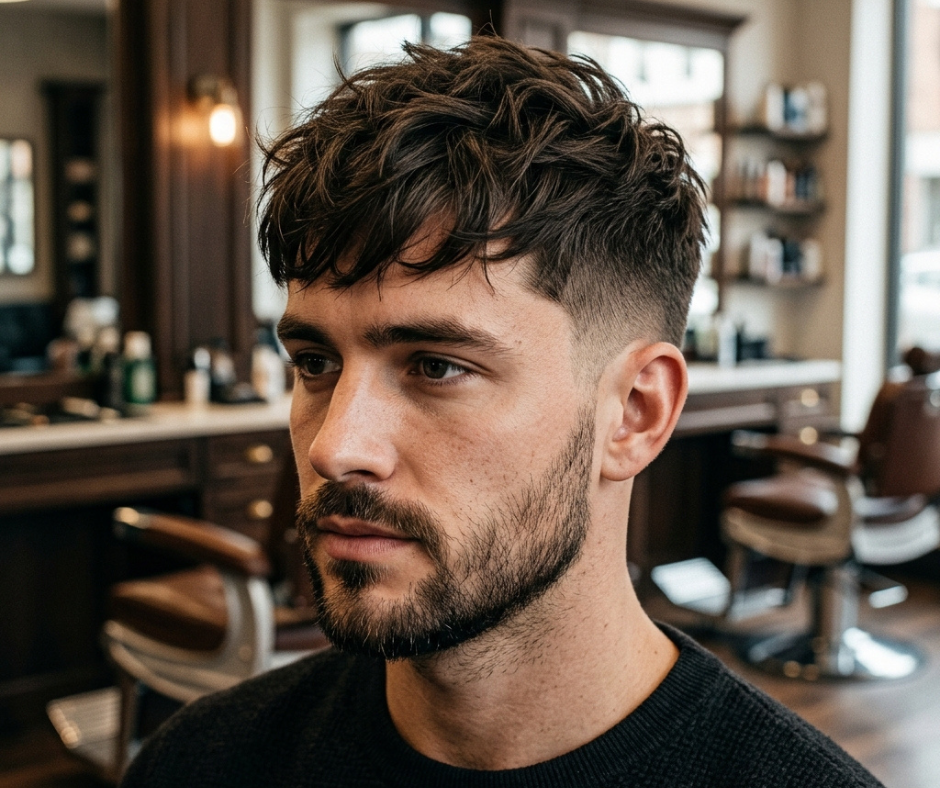
A Messy Textured Crop emphasizes loose layers and natural movement instead of perfectly arranged strands. It works well for men who prefer a relaxed appearance and do not want their hair to look overly styled. Use your fingers to distribute a small amount of matte paste through the top. Avoid excessive product because heavy styling can make the hair clump together and lose its natural texture.
9. Medium-Length Textured Crop
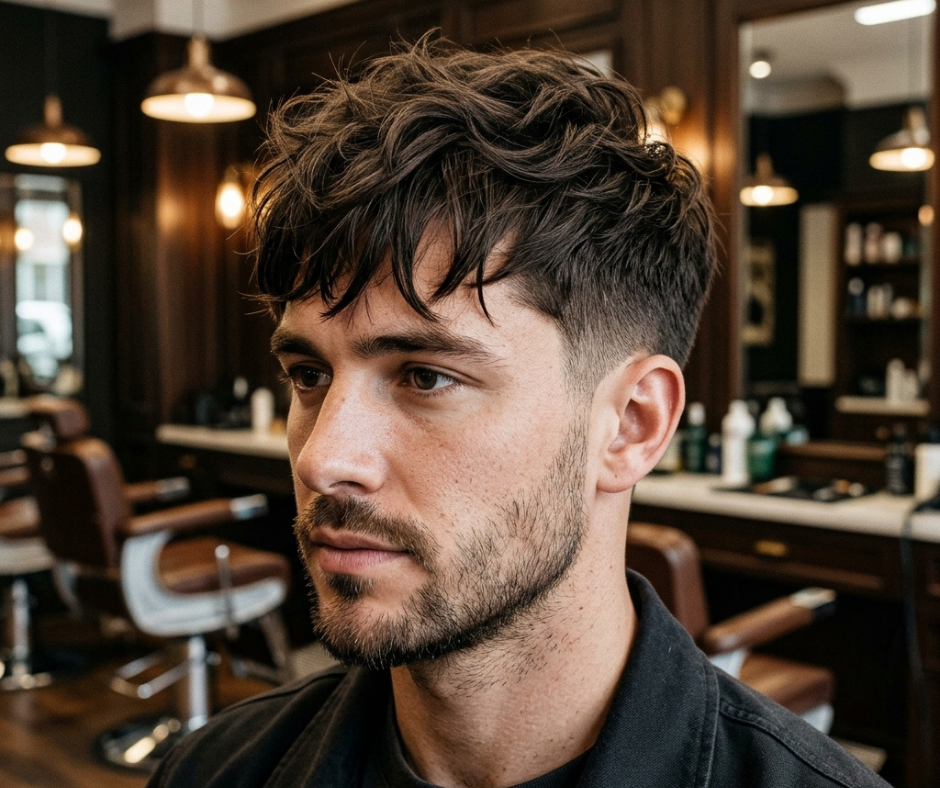
A Medium-Length Textured Crop leaves more hair on top, allowing greater flexibility when styling. You can create a loose fringe, add volume, or direct the upper section slightly to one side. This version suits men who enjoy experimenting with different finishes. However, longer layers may require additional styling to prevent the hair from falling flat or becoming bulky.
10. Wavy Textured Crop
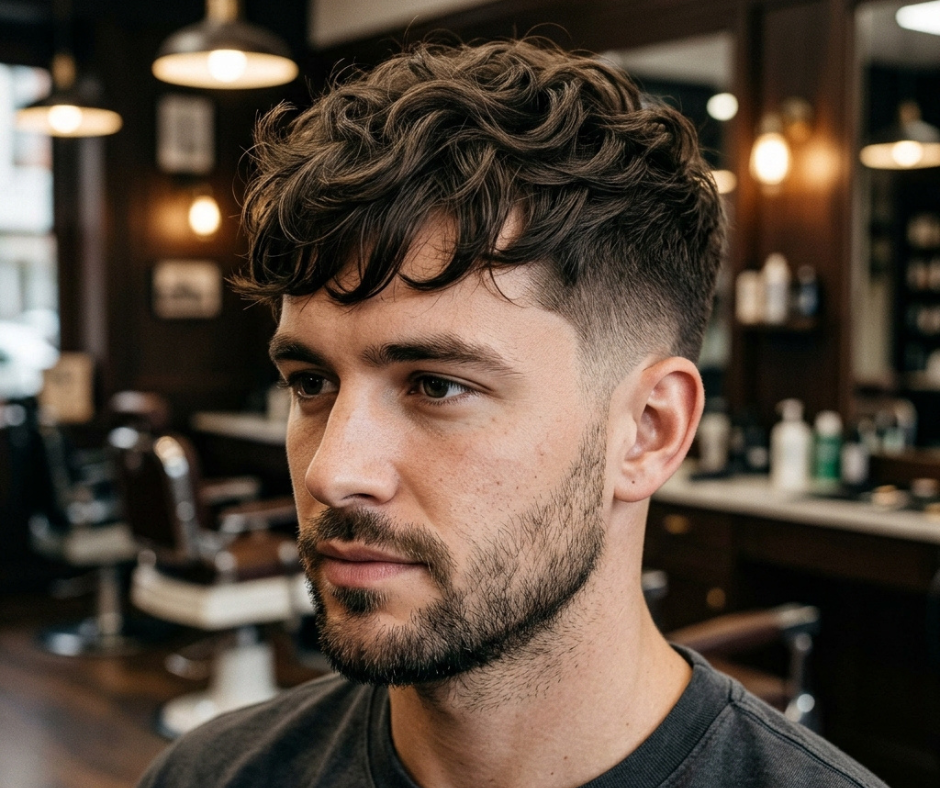
A Wavy Textured Crop uses natural waves to create depth and movement. The irregular pattern gives the haircut a distinctive finish without requiring extensive styling. Ask your barber to work with your natural wave pattern rather than cutting the top too short. A lightweight cream or texture spray can help define the waves while keeping the hair flexible.
11. Textured Crop Undercut
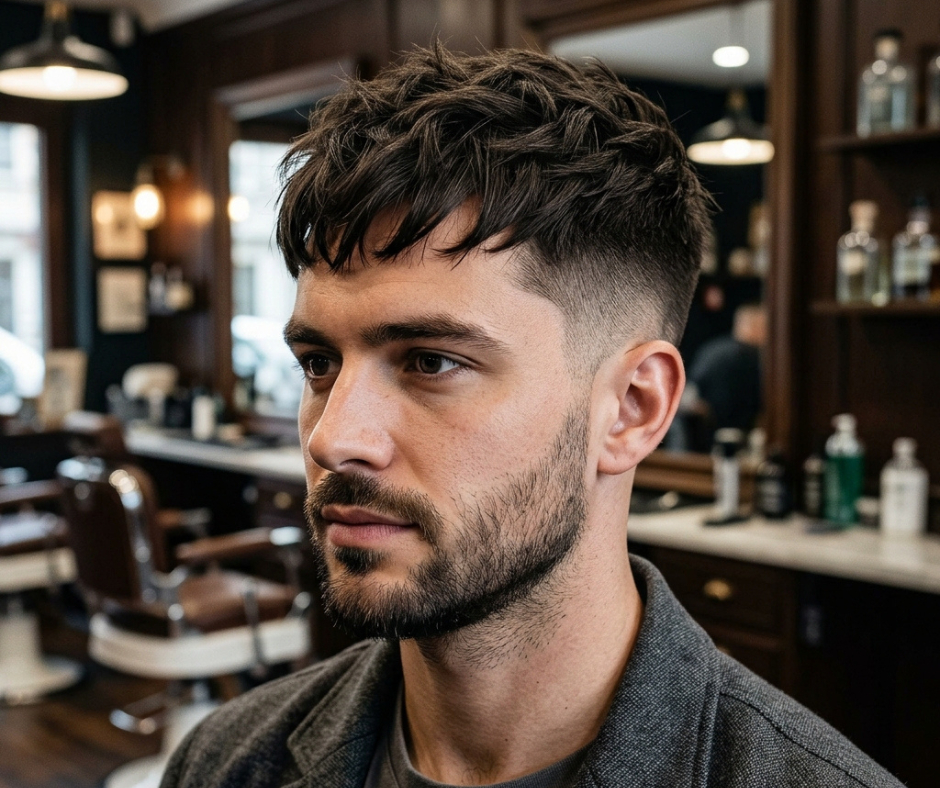
The Textured Crop Undercut creates a noticeable separation between the longer top and much shorter sides. Unlike a traditional fade, the transition may appear more disconnected. This gives the haircut a bold, distinctive appearance that works well with thick hair. Ask your barber to balance the top’s length with the sides so the finished shape does not appear excessively heavy.
12. Side-Swept Textured Crop
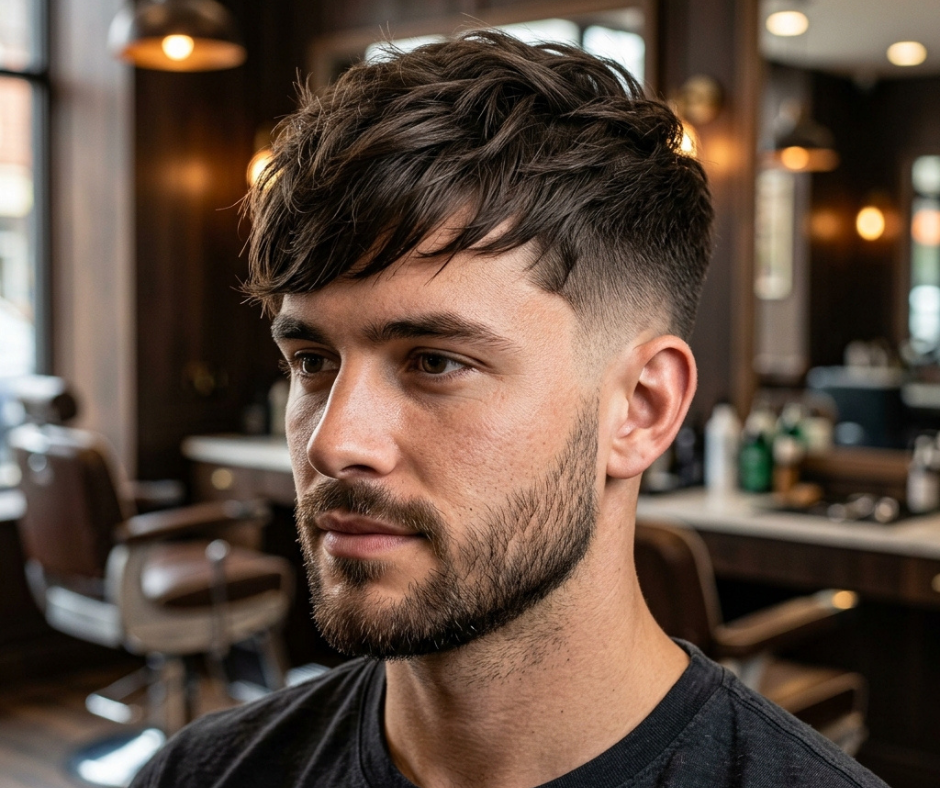
A Side-Swept Textured Crop directs the upper hair slightly sideways rather than pushing the entire fringe forward. This creates a softer, more versatile appearance that can work in casual and professional settings. Follow your natural hair direction when styling, then use a small amount of lightweight paste to define the upper layers. The result should look natural rather than stiff or heavily combed.
Different Types of Textured Crop Fades
The fade you choose can change the entire appearance of your haircut. A low fade creates a subtle finish, while a mid fade provides balanced contrast. A high fade produces a bolder silhouette by removing more hair from the upper sides. Your barber can also combine a textured top with a taper or skin-close finish.
| Fade type | Appearance | Best for |
| Low fade | Subtle and understated | Natural, everyday styles |
| Mid fade | Balanced contrast | Versatile modern haircuts |
| High fade | Bold and noticeable | Sharp, contemporary looks |
| Skin fade | Sides blend down to bare skin | High-contrast styles |
| Taper fade | Gradual shortening near temples and neckline | Professional, softer looks |
| Drop fade | Curved transition behind the ears | Distinctive side profiles |
Textured Crop vs. French Crop: What Is the Difference?
A textured crop and a French crop share several characteristics, including short sides, a cropped fringe, and a compact upper section. However, a textured crop generally emphasizes movement and separation throughout the top. A French crop often features a more defined fringe, creating a structured shape around the forehead. Modern versions can combine both approaches, so the distinction is not always strict.
| Feature | Textured crop | French crop |
| Main focus | Layered texture and movement | Defined forward fringe |
| Fringe | Often irregular or separated | Frequently more structured |
| Styling | Finger styling and matte products | Controlled forward styling |
| Overall appearance | Relaxed to modern | Classic to contemporary |
Best Textured Crop Haircuts for Different Face Shapes
Your face shape can help you choose the right fringe length, fade height, and amount of volume. However, these guidelines are flexible rather than strict rules. Hair density, forehead proportions, natural growth patterns, and personal preference also influence the final result.
An oval face shape can work with most textured crop variations because its proportions are relatively balanced. A round face may benefit from controlled sides and moderate height on top, creating a more elongated appearance. For a square face, a classic crop or mid fade can complement defined facial angles without making the haircut look too severe.
An oblong face shape may look more balanced with a moderate fringe and some fullness around the sides. Men with heart-shaped faces can experiment with textured tops and carefully balanced fringe lengths. Those with triangular faces may prefer additional fullness near the upper sides. Rather than following face-shape rules too rigidly, ask your barber to adjust the haircut to your actual proportions.
How to Choose a Textured Crop for Your Hair Type and Length
Your natural hair type affects how the haircut sits, how much texture appears, and which styling products work best. Straight hair may need carefully cut layers to create separation, while wavy and curly hair already contain natural movement. Thick hair often needs strategic bulk removal, whereas fine hair usually benefits from a lighter cutting and styling approach.
For a textured crop for thick hair, ask your barber to remove excess bulk without making the top look uneven. For a textured crop for straight hair, point-cut layers can create definition and prevent the upper section from appearing too uniform. A textured crop for wavy hair should follow the natural wave pattern so the haircut retains movement after washing.
Fine or thin hair requires a slightly different approach. Excessive thinning can make the top appear less full, so preserving enough density is important. A short crop may also be easier to manage than a longer version if your hair tends to fall flat. Meanwhile, medium-length hair offers more styling choices but may need extra attention to maintain its shape. Choose a length that works with your natural hair rather than forcing it into an unsuitable style.
How to Ask Your Barber for a Textured Crop Haircut
Clear instructions help your barber understand the exact appearance you want. Bring two or three reference photos that show the top, fringe, and side profile. Explain whether you prefer a low taper, mid fade, skin fade, or disconnected undercut. Also mention how much length you want to keep on top and whether you prefer a straight fringe or a softer, uneven finish.
You could say, “I want a textured crop with a choppy top, a natural forward fringe, and a mid fade. Keep enough length on top for movement, and avoid making the fringe too blunt.” Adjust the wording to match your chosen style. If you are uncertain about the length, ask your barber to start conservatively. Removing too much hair can be difficult to correct immediately.
How to Style a Textured Crop Haircut at Home
Styling a textured crop usually takes only a few minutes once you understand your hair’s natural direction. Begin by washing your hair as needed, then gently towel-dry it. If you want extra lift, use a blow dryer on moderate heat while directing the hair with your fingers. For wavy hair, a diffuser or gentle air-drying can help preserve natural movement.
Next, apply a small amount of suitable styling product. Matte clay for hair offers stronger definition, while lightweight paste provides flexible control. Hair styling powder can add lift to fine hair, and texturizing sea salt spray may enhance separation in straight or wavy hair. Work the product through the top, then use your fingers to separate selected strands. Add more only when necessary because excessive product can weigh the hair down.
Finish by arranging the fringe forward or slightly sideways, depending on your preferred look. You do not need every strand to sit perfectly. The haircut should retain some natural irregularity, which creates its characteristic texture. If your hair becomes greasy or stiff, reduce the product amount or choose a lighter formula.
Textured Crop Haircut Maintenance, Products, and Common Mistakes
A textured crop stays attractive when the fringe, top, and sides maintain a balanced shape. Skin fades may need refreshing every two to three weeks if you want them to remain sharp, while softer tapers can often grow out more naturally. Your ideal haircut maintenance schedule depends on hair growth, fade height, and how precise you want the finish to look.
Use styling products sparingly and wash away buildup when needed. Avoid excessive thinning if your hair is already fine, and do not choose an extremely high fade simply because it looks good in a photograph. The wrong proportions can make the haircut feel unbalanced. Similarly, trimming the fringe at home without experience can alter the entire shape, so leave major adjustments to your barber.
Haircut costs vary by location, barber experience, and the complexity of the fade. A basic crop may cost less than a detailed skin fade with additional finishing. Check local prices and ask what the service includes before booking. If you prefer lower ongoing costs, a classic crop with a taper may be more practical than a high-maintenance skin fade.
Frequently Asked Questions
Is a textured crop good for thin hair?
Yes. A short textured crop can work well for fine or thin hair when the barber preserves enough fullness. Lightweight styling products can add definition without weighing the hair down.
Which fade looks best with a textured crop?
A mid fade offers balanced contrast, while a low fade creates a softer appearance. A high or skin fade is better if you prefer a sharper, more dramatic look.
How long should the top be?
The ideal length depends on your hair type and desired finish. Shorter tops are easier to manage, while medium-length tops provide more movement and styling options.
Can a textured crop work with curly hair?
Yes. A barber can adapt the top length to your natural curl pattern. Lightweight curl creams can help define curls without making the haircut stiff.
How often should you trim a textured crop?
A sharp skin fade may need refreshing every two to three weeks. A softer taper or classic crop can often go longer between appointments.
Conclusion
The Textured Crop Haircut offers a versatile combination of natural texture, short sides, and customizable fringe options. You can choose a classic crop for everyday simplicity, a skin fade for sharper contrast, or a messy variation for relaxed styling. The best choice depends on your hair type, face shape, maintenance preferences, and personal style.
Before visiting your barber, decide how you want the fringe to sit and how much contrast you prefer around the sides. Bring reference photos and explain your priorities clearly. With the right cut, suitable styling products, and a realistic maintenance routine, you can enjoy a modern haircut that looks good without demanding too much time each morning.

Welcome to TaperLook! I’m Habib, a dedicated content writer with 1.5 year of experience in SEO, digital content, and website growth. I specialize in creating engaging, reader-friendly, and search-optimized content that helps websites reach a wider audience and strengthen their online presence.