
A great haircut can upgrade your appearance without requiring a dramatic change. If you want clean sides, a natural-looking hairline, and enough length to style your hair differently, the Mid Taper Fade is an excellent option. This versatile haircut combines gradual blending around the temples and neckline with a stylish top that suits different hair textures.
You can wear it with curls, waves, a textured crop, or a classic side part. However, choosing the right variation depends on your face shape, hair density, and grooming routine. This guide explores the best Mid Taper Fade hairstyles, barber tips, styling techniques, and maintenance advice to help you find your ideal look.
What Is a Mid Taper Fade Haircut?
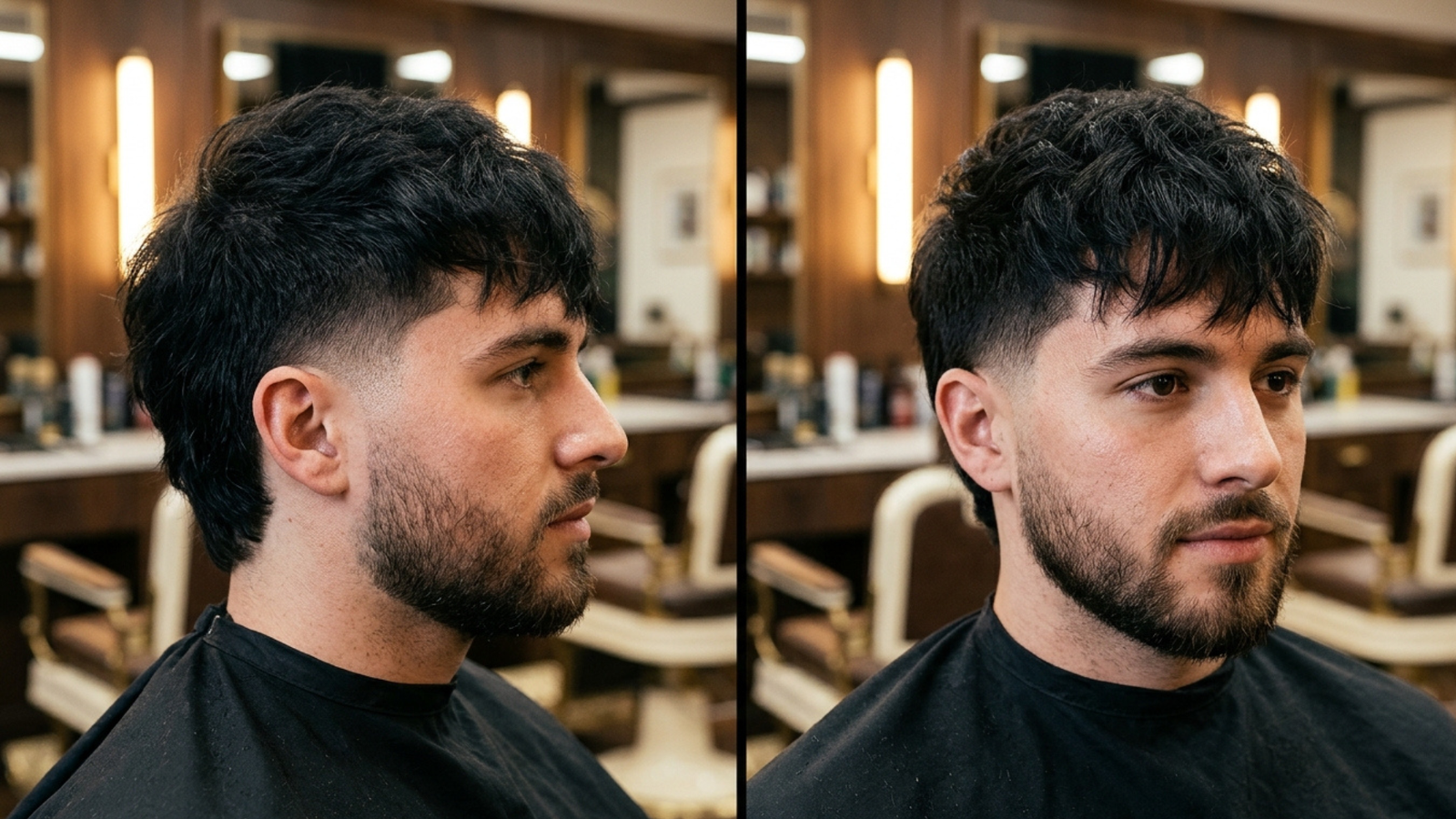
A Mid Taper Fade is a modern men’s haircut that gradually shortens the hair around the temples, sideburns, and neckline. The transition creates a clean appearance while preserving more length across the upper sides and top. Unlike a traditional mid fade, which generally removes more hair across the sides, a mid taper focuses on specific areas for a softer, more natural finish.
The main advantage of this mid taper fade haircut is its versatility. You can keep the top short for easy maintenance or leave it longer for additional volume and movement. Your barber can also customize the blending, neckline, and hairline according to your preferences. Whether you prefer a classic men’s haircut or a modern textured hairstyle, this cut offers plenty of styling possibilities.
Mid Taper Fade vs. Mid Fade vs. Low Taper Fade
Understanding the differences between these haircuts helps you communicate your preferences clearly. Although the names sound similar, each style creates a different silhouette depending on the placement and extent of the blending.
| Haircut | Main feature | Overall appearance |
| Mid Taper Fade | Tapered temples and neckline | Clean and balanced |
| Mid Fade | Shorter hair blended higher across the sides | Noticeable contrast |
| Low Taper Fade | Blending concentrated near the lower edges | Subtle and understated |
| Skin Fade | Hair blended down to bare skin | Sharp and high-contrast |
| High Taper Fade | Taper positioned higher around the temples | More pronounced definition |
A Mid Taper Fade is ideal if you want neat edges without removing too much hair from the sides. A mid fade suits men who prefer a more noticeable transition, while a low taper offers a softer finish. A skin fade creates a closer result and may require more frequent touch-ups to maintain its sharp appearance.
Your choice should reflect your desired look, natural hairline, and maintenance preferences. Because barber terminology can vary, show your barber a reference photo before the cutting begins.
Best Mid Taper Fade Hairstyles for Men in 2026
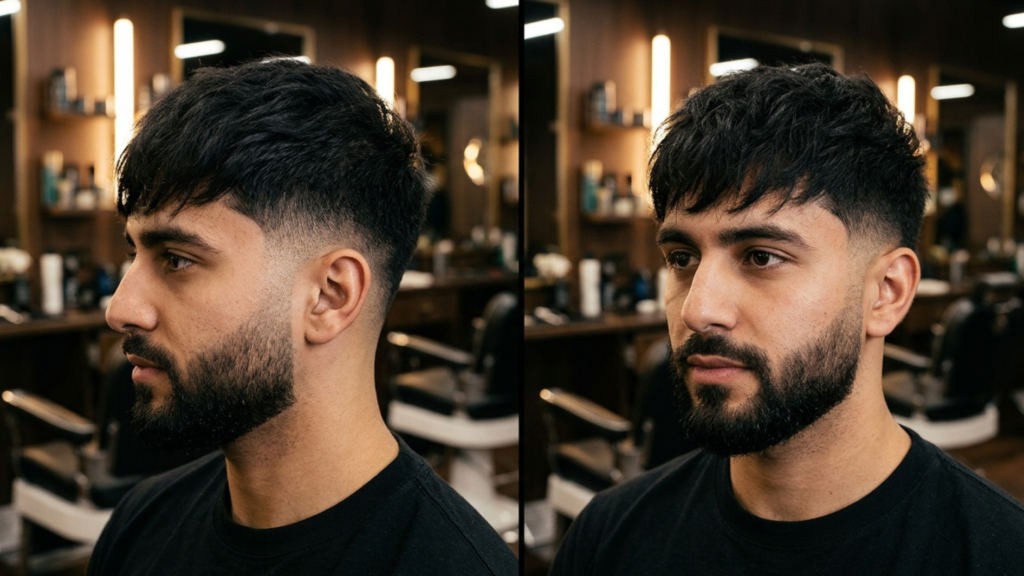
The best Mid Taper Fade hairstyles combine neat edges with a top style that complements your personality. You can choose a classic finish for everyday wear or experiment with textured, voluminous, and contemporary variations. Consider your hair type and styling routine before deciding which option suits you.
- Classic Mid Taper Fade: This timeless variation keeps the top moderately short and the sides naturally blended. It suits men who want a clean appearance without excessive styling.
- Mid Taper Fade with Textured Crop: A textured crop features short, choppy layers that create movement. Matte clay can help define the texture while maintaining a natural finish.
- Mid Taper Fade with Quiff: A quiff adds height at the front and creates a more structured silhouette. It works well for men who enjoy styling their hair with a blow-dryer.
- Mid Taper Fade with Fringe: A fringe brings the top hair forward toward the forehead. You can choose a straight, textured, or slightly messy finish depending on your preferences.
- Mid Taper Fade with Side Part: A side part creates a neat, traditional appearance that works well in professional settings. A lightweight pomade can help keep the hair in place.
- Mid Taper Fade with Pompadour: This variation features a fuller, elevated top that adds volume. It generally requires more length and styling effort than shorter options.
- Mid Taper Fade with Messy Hair: A relaxed, textured top creates a casual appearance without requiring perfect alignment. A small amount of styling paste can help control unwanted movement.
- Mid Taper Fade with Blowout: A blowout adds volume and directs the hair upward or outward. It works particularly well with naturally thick, wavy, or curly hair.
Choose a hairstyle that matches your daily routine rather than following trends alone. A short crop may suit someone who wants minimal effort, while a quiff or pompadour offers more styling flexibility.
Mid Taper Fade for Different Hair Types and Textures
Your natural hair texture influences how the haircut looks and how easily you can maintain it. A good barber considers hair density, growth direction, and natural movement before deciding how much length to remove. Choosing a style that works with your hair usually produces a more manageable result.
A Mid Taper Fade with curls highlights natural texture while keeping the temples and neckline neat. You can choose short curls for a compact appearance or preserve more length for volume. A lightweight curl cream can improve definition without making the hair feel excessively heavy.
For wavy hair, a textured top or loose quiff can emphasize natural movement. Straight hair often works well with a side part, textured crop, or brushed-back finish. If your hair is thick, ask your barber to remove excess bulk without sacrificing the shape. For fine hair, a shorter textured style may create the appearance of fuller coverage.
A Mid Taper Fade for Black men can complement natural coils, short twists, an afro top, or defined curls. The taper creates a neat outline while allowing the natural texture to remain the main feature. Your barber should consider shrinkage and your preferred styling routine when selecting the top length.
Mid Taper Fade with Short, Medium, and Long Top Styles
Top length plays an important role in the final appearance of your haircut. Short hair creates a compact silhouette, medium-length hair offers flexibility, and longer hair allows more dramatic styling. You can maintain the same basic taper while changing the top to suit your preferences.
A Mid Taper Fade short hair combination is practical for men who prefer simple grooming. Crew cuts and short textured crops require little styling and keep the overall appearance neat. You can add subtle texture to prevent the top from looking too uniform.
Medium-length hair provides room for a fringe, quiff, or relaxed side part. These styles offer a balance between versatility and manageable upkeep. If you prefer more volume, ask your barber to shape the top carefully so it does not appear too heavy.
A Mid Taper Fade long hair combination creates additional styling possibilities. You can wear the top swept backward, styled into a pompadour, or left naturally messy. However, longer hair may require a blow-dryer and styling product to maintain its shape.
You can also pair the haircut with a beard or a sharp line-up. A Mid Taper Fade with beard looks balanced when the sideburns transition naturally into the facial hair. A line-up creates sharper edges, while a softer outline preserves a more natural appearance.
How to Choose a Mid Taper Fade for Your Face Shape
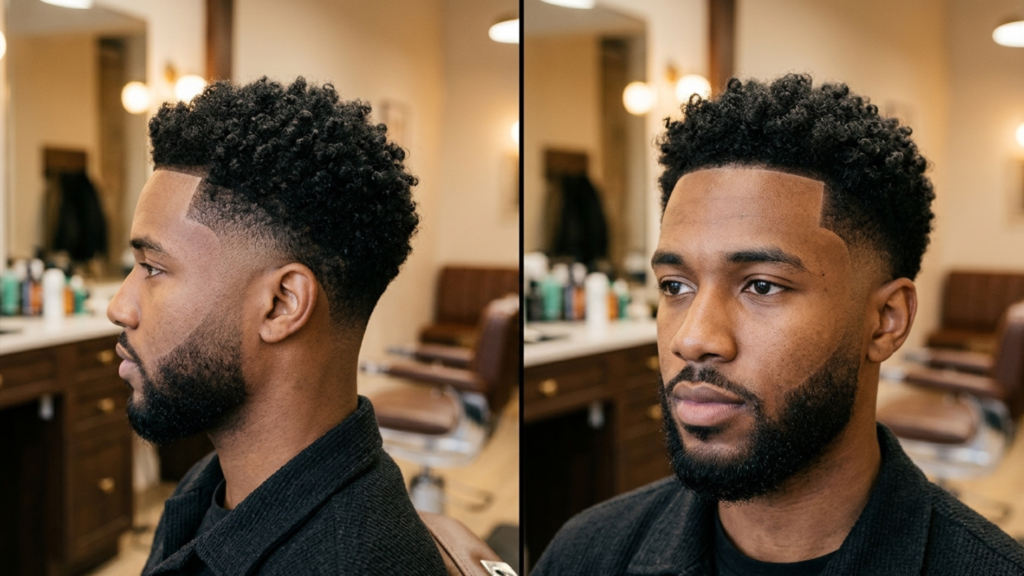
Your face shape can help you select a flattering top style, but it should not limit your choices. Hair texture, forehead height, hairline, and personal preference also affect the final result. The goal is to find proportions that complement your features and feel comfortable to maintain.
A Mid Taper Fade for round face shapes can work particularly well with a textured quiff or slightly elevated top. These styles add visual height without requiring extremely short sides. A square face may suit a textured crop or side part that complements its naturally angular features.
Oval faces can generally accommodate a wide range of styles, including curls, fringes, and slicked-back tops. For longer faces, a moderate top length or textured fringe may create a more balanced appearance than an extremely tall pompadour.
Your natural hairline matters, too. If your temples are receding, a forward-textured style may help create a cohesive appearance. If your hair grows in a particular direction, choose a style that works with that pattern instead of fighting it every morning.
How to Ask Your Barber for the Perfect Mid Taper Fade
Clear communication helps you get the haircut you actually want. Simply asking for a Mid Taper Fade may not explain your preferred top length, blending level, or neckline. Before the appointment, decide whether you want a subtle taper, a close finish around the temples, or a sharper outline.
Bring reference photos that show the front, sides, and back of the haircut. Choose examples with a similar hair texture and top length to yours. Explain which details you like and ask your barber to adapt the style to your natural growth pattern.
Discuss the neckline before cutting begins. A natural neckline follows the hair’s growth pattern, while a squared finish creates a more defined edge. Neither option is automatically better, so select the one that matches your preferences.
You can use this simple barber request:
“I want a Mid Taper Fade with a gradual blend around the temples and neckline. Keep enough length on the sides for a natural appearance, and leave the top textured. Please avoid taking the taper too high and help me choose a neckline that suits my hair.”
Clipper guard numbers can help communicate cutting length, but the final result also depends on technique and hair texture. Ask your barber to confirm the plan before starting.
How to Style and Maintain a Mid Taper Fade
A Mid Taper Fade is relatively easy to style when the top suits your hair and daily routine. However, the clean outline gradually becomes less defined as your hair grows. Regular trimming helps maintain the intended shape, especially if you prefer sharp edges around the temples and neckline.
Start your styling routine with clean hair and use products suited to your texture. Matte clay works well for textured crops and messy styles, while a lightweight cream can help manage waves. Pomade is useful for side parts and slicked-back looks, while curl cream can improve the definition of naturally curly hair.
Apply a small amount of product first and add more only when necessary. If you want extra volume, use a blow-dryer while lifting the roots with your fingers or a brush. Avoid excessive product because it can weigh down fine hair or make the top appear greasy.
For Mid Taper Fade maintenance, many men schedule a touch-up every two to four weeks. The ideal interval depends on your growth rate, taper length, and preferred appearance. If you like a crisp outline, book appointments more frequently. If you prefer a softer, grown-out look, you can wait longer.
Pros, Cons, Common Mistakes, and Alternatives
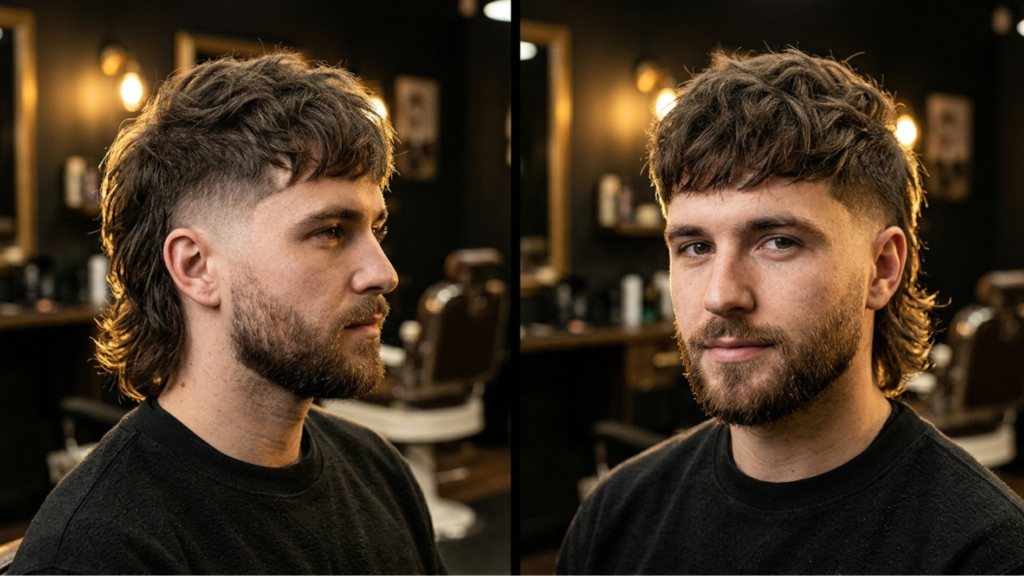
The biggest advantage of a Mid Taper Fade is its adaptability. It works with many hair textures and top styles while keeping the temples and neckline tidy. You can customize the haircut for professional settings, casual outfits, and different personal preferences.
However, this haircut still requires upkeep. The outline becomes softer as hair grows, and longer tops may need daily styling. The result also depends on how well your barber understands the taper placement and blends the surrounding hair.
One common mistake is confusing a mid taper with a full mid fade. This can leave the sides shorter than expected. Another mistake is choosing a high-volume hairstyle without considering how your hair naturally sits. Always explain your preferences and discuss realistic styling requirements.
If you want alternatives, consider a low taper fade for a subtler finish, a mid fade for more contrast, or a skin fade for very short sides. A burst fade creates a curved transition around the ear, while a drop fade follows a downward curve behind it. A classic taper haircut is another option if you prefer a traditional appearance.
The right haircut is the one that suits your features, lifestyle, and maintenance preferences. You do not need the most dramatic fade to achieve a stylish result.
Frequently Asked Questions
How long does a Mid Taper Fade last?
A Mid Taper Fade can remain wearable for several weeks, although the edges gradually lose their definition as the hair grows. Many men schedule touch-ups every two to four weeks.
Is a Mid Taper Fade suitable for all hair types?
It can work with straight, wavy, curly, and coily hair. The best top style depends on your hair density, natural growth pattern, and preferred appearance.
Does a Mid Taper Fade look good with a beard?
Yes. A beard can complement the haircut when the sideburns and facial hair blend naturally. You can also choose a more distinct separation for a sharper finish.
Is a Mid Taper Fade professional enough for work?
In many workplaces, a neatly maintained Mid Taper Fade looks professional. A classic top and natural edges create an understated appearance, while a textured top offers a more contemporary look.
How often should you get a Mid Taper Fade?
Every two to four weeks is a reasonable starting point if you want to maintain a clean outline. Your preferred finish and hair growth rate may require a different schedule.
Conclusion
The Mid Taper Fade is a versatile haircut that combines clean edges with plenty of room for personal expression. Whether you prefer curls, waves, a textured crop, a quiff, or a longer top, you can adapt this haircut to your natural hair and preferred appearance.
Before visiting your barber, choose a reference photo, decide how much length you want on top, and explain your preferred taper placement. Consider your face shape, styling routine, and maintenance expectations as well. With the right cut and a manageable grooming routine, you can enjoy a Mid Taper Fade that looks polished without making everyday styling unnecessarily complicated.

Welcome to TaperLook! I’m Habib, a dedicated content writer with 1.5 year of experience in SEO, digital content, and website growth. I specialize in creating engaging, reader-friendly, and search-optimized content that helps websites reach a wider audience and strengthen their online presence.