
A great haircut can refresh your appearance without requiring a dramatic change. The Mid Fade is a popular choice for men because it combines clean sides with plenty of styling options on top. Whether you prefer a textured crop, curly hairstyle, classic side part, or modern mullet, this haircut offers flexibility for different hair types and personal styles.
The key is choosing a variation that suits your face shape, hair texture, and daily routine. Some mid fades look subtle and professional, while others create sharp contrast. This guide explores the best mid fade haircuts for men in 2026, explains the different types, and shares practical advice for styling, barber instructions, and maintenance.
What Is a Mid Fade Haircut?
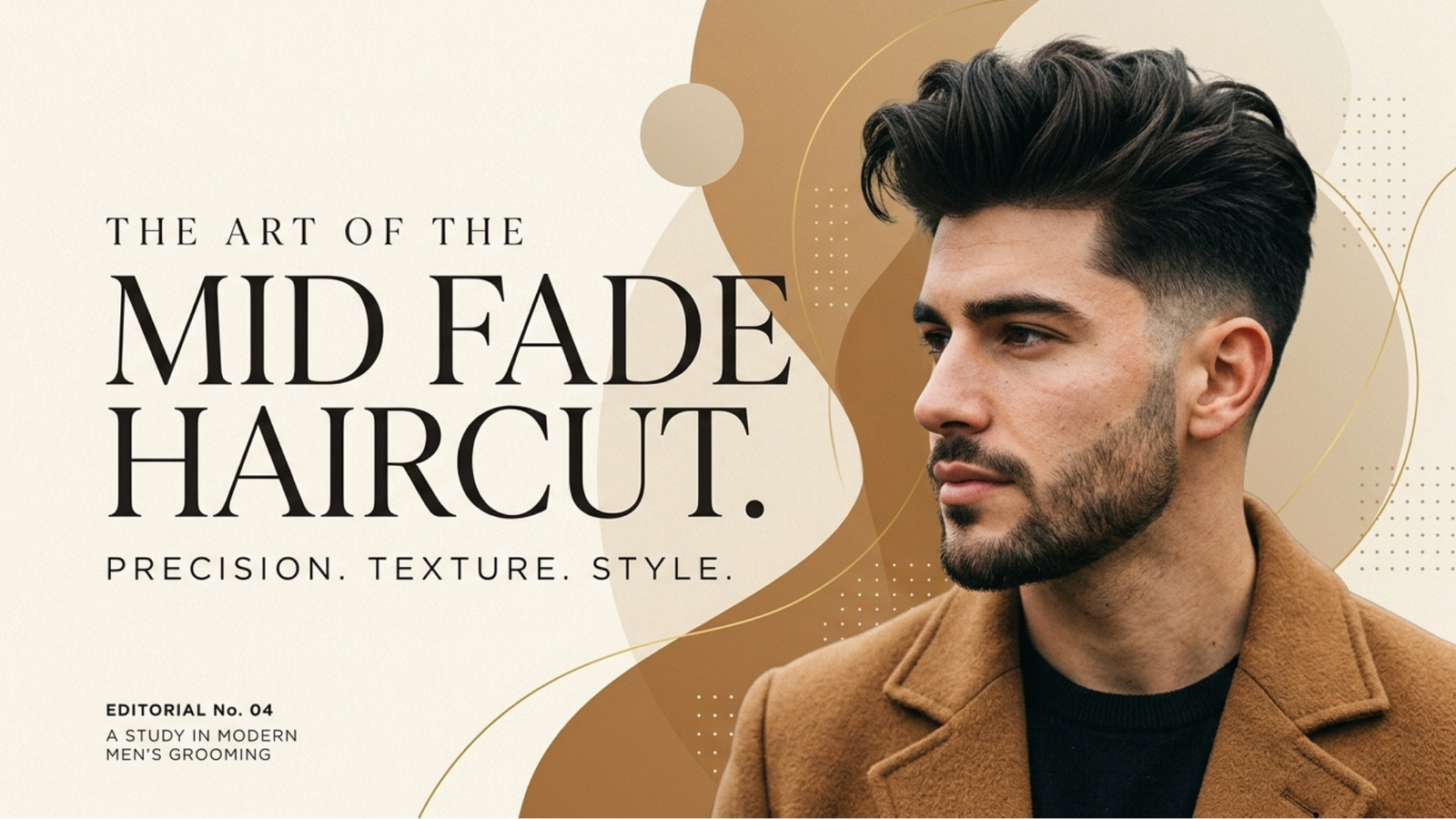
A mid fade haircut features hair that gradually becomes shorter around the sides and back, beginning approximately halfway between the temples and ears. The barber blends different lengths to create a smooth transition from the longer hair above to the shorter hair below. Unlike a low fade, which starts closer to the ears, a mid fade creates more visible contrast around the middle of the head.
One reason this haircut remains popular is its versatility. You can pair it with short, medium-length, or long hair on top. A classic mid fade works well for everyday wear, while a mid skin fade creates a sharper appearance. You can also combine the cut with curls, a beard, a fringe, or a defined side part. The right variation depends on your preferred look and how much time you want to spend styling your hair.
A barber typically uses different clipper guards to create the fade. A number 2 guard leaves more length than a number 1 guard, while a number 0 guard creates a very short finish. Some variations reach bare skin for stronger contrast. The barber then blends the different lengths to remove visible lines and create a clean haircut finish.
12 Best Mid Fade Haircut Styles for Men in 2026
The best mid fade hairstyles for men combine a suitable fade with a top style that complements their hair texture and lifestyle. You can choose a traditional cut for a polished appearance or experiment with modern shapes for more personality. These twelve options offer a useful starting point.
Classic Mid Fade
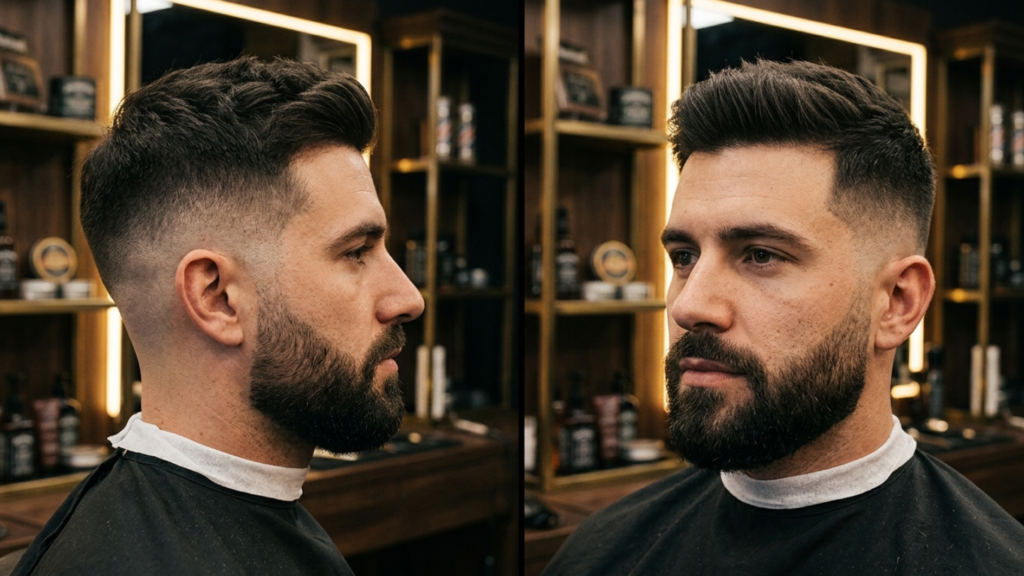
The classic mid fade creates a balanced appearance with smoothly blended sides and a neatly shaped top. It does not require an extreme skin-level finish, making it suitable for men who want a clean haircut without excessive contrast. You can wear it with short hair, a side part, or a slightly textured top. A small amount of matte clay can add definition while keeping the finish natural.
Mid Skin Fade
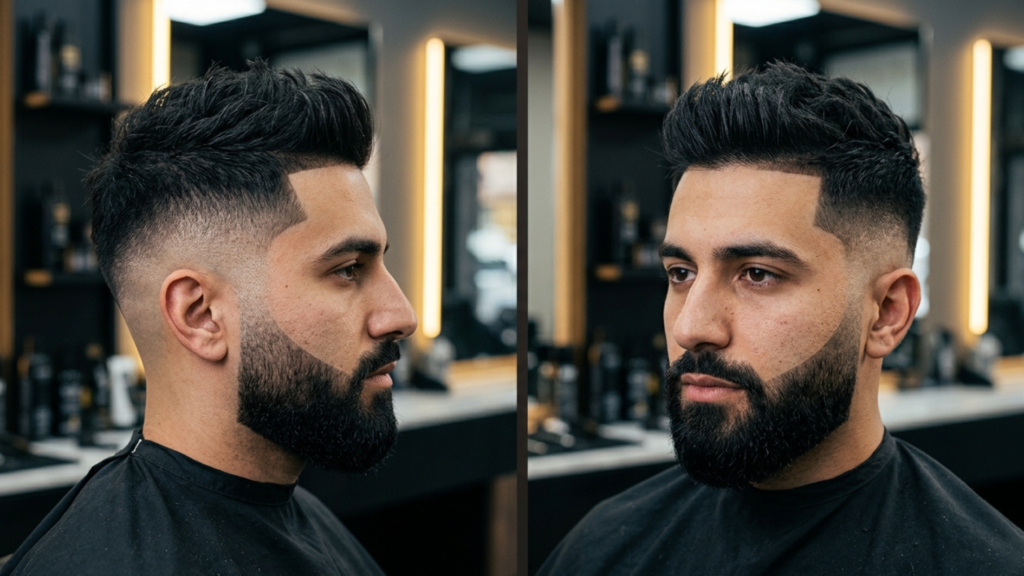
A mid skin fade blends the hair down to bare skin around the middle of the sides. This creates a noticeable contrast between the scalp and the longer hair above. It looks particularly sharp with a textured crop, curly top, or quiff. However, the shortest section becomes visibly less defined as the hair grows, so regular touch-ups help maintain its crisp appearance.
Mid Taper Fade
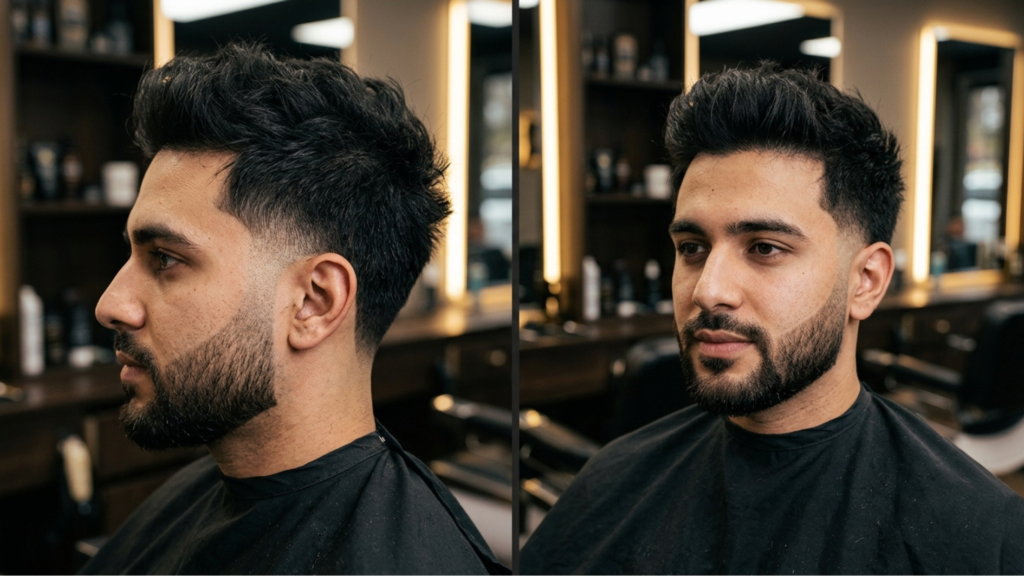
A mid taper fade generally creates a controlled transition around the sideburns and neckline, although barbers may use the term differently. It offers a relatively subtle finish compared with a full skin fade. Pair it with a short crop, natural curls, or a side part for a clean, adaptable look. Tell your barber whether you want the transition limited to specific areas or blended across the entire side.
Mid Drop Fade
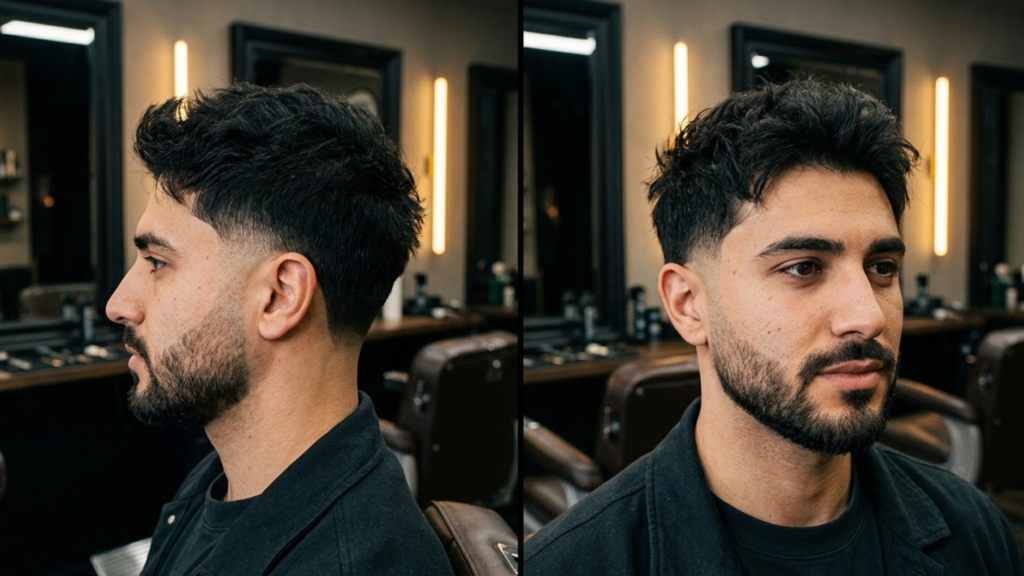
A mid drop fade curves downward behind the ears instead of following a relatively level path around the head. This curved shape follows the skull’s natural contour and creates an interesting side profile. It works well with curly tops, textured crops, and modern mullets. Ask your barber to shape the curve according to your head shape and desired back length.
Mid Burst Fade
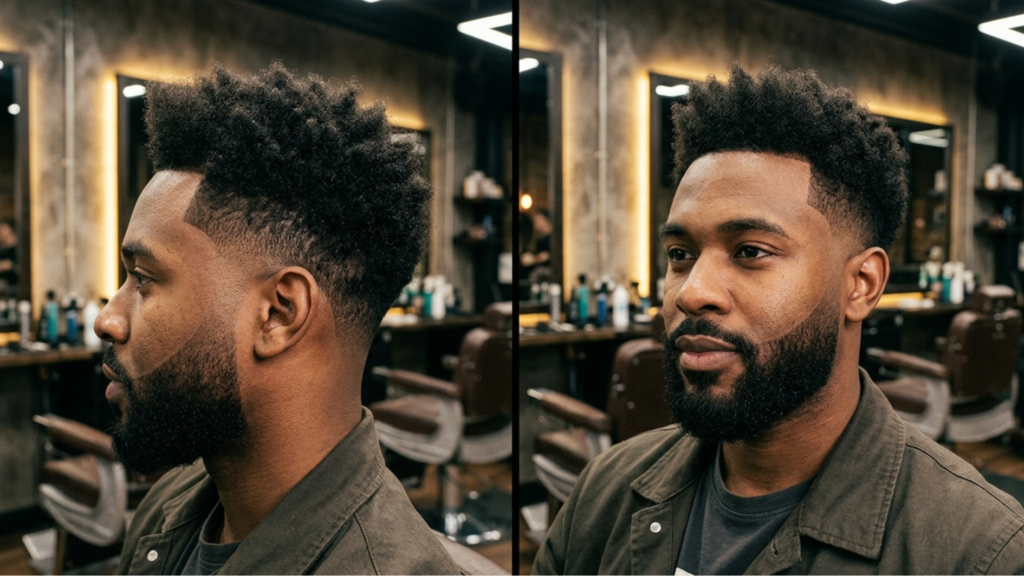
A mid burst fade creates a rounded transition around the ears while leaving more length toward the back. This gives the haircut a distinctive outline without requiring an elaborate top style. It pairs particularly well with curls, faux hawks, and modern mullets. The barber should shape the rounded section carefully so the fade connects naturally with the remaining hair.
Mid Fade with Curly Hair
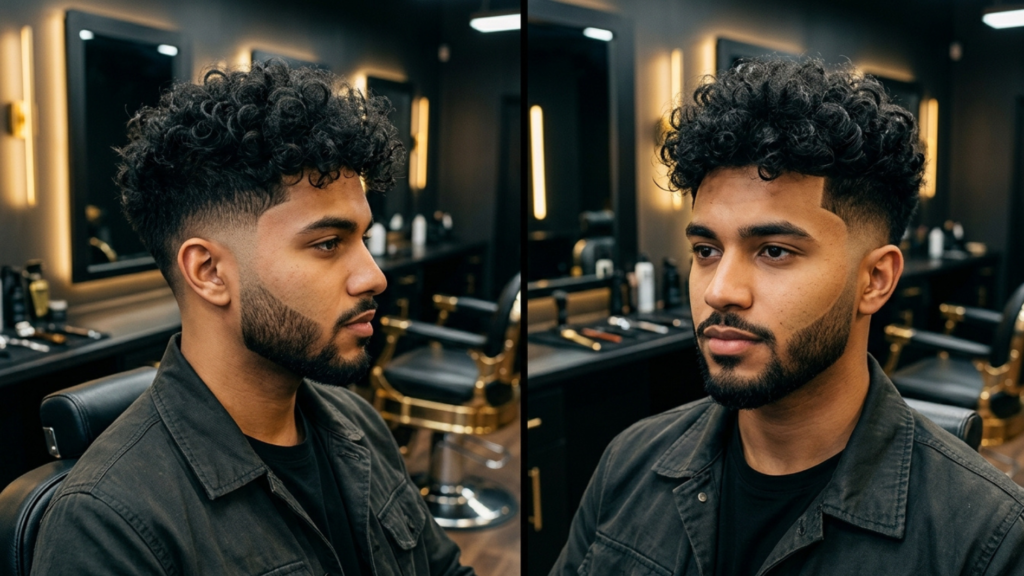
A mid fade with curly hair keeps natural curls visible on top while reducing bulk around the sides. This contrast helps define the curls and gives the overall hairstyle a cleaner shape. Apply curl cream to damp hair and let it dry naturally or use a diffuser. Your barber should consider shrinkage because curls often appear shorter when dry.
Mid Fade Textured Crop
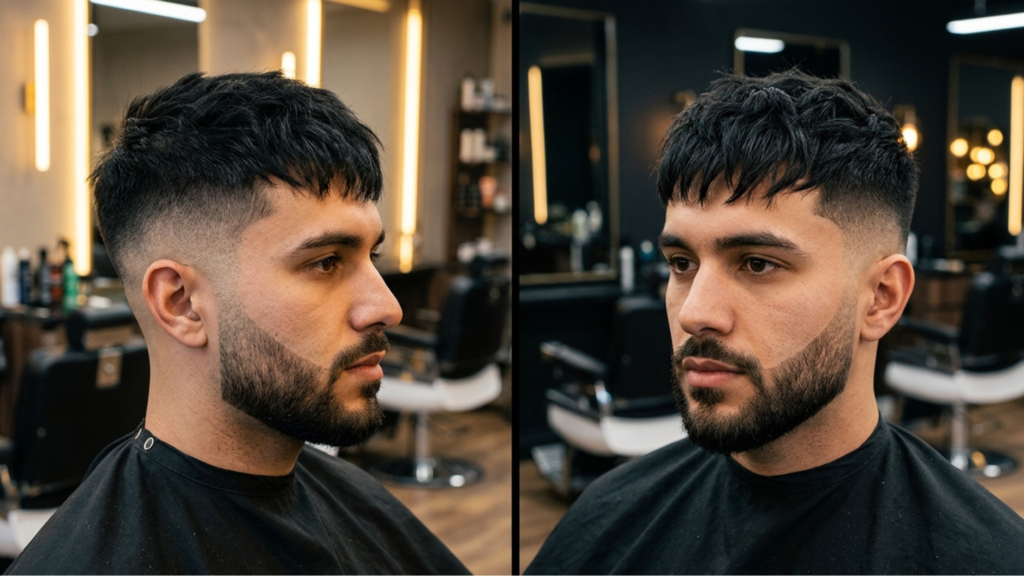
The mid fade textured crop combines closely blended sides with a short, uneven top. A textured fringe can fall forward over the forehead, creating a modern appearance without requiring significant styling time. Use a small amount of matte clay and shape the hair with your fingers. If your hair is fine, ask your barber to preserve enough density to avoid making the top look sparse.
Mid Fade Pompadour
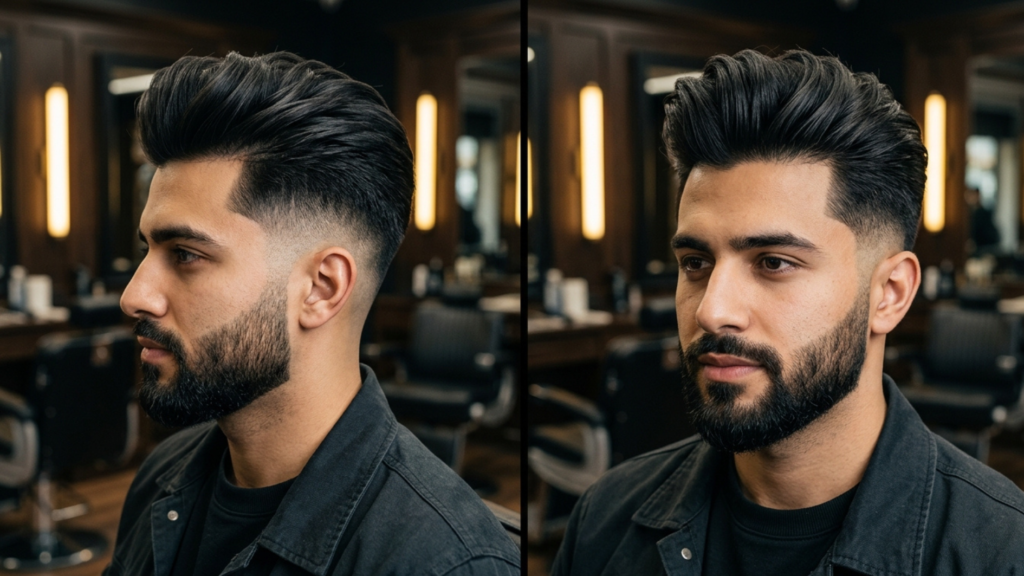
A mid fade pompadour features longer hair at the front, styled upward and backward. The faded sides make the volume on top stand out. This style suits men who enjoy a structured appearance and do not mind spending extra time getting ready. Use a blow dryer and lightweight volumizing product before applying a small amount of pomade or styling cream.
Mid Fade Quiff
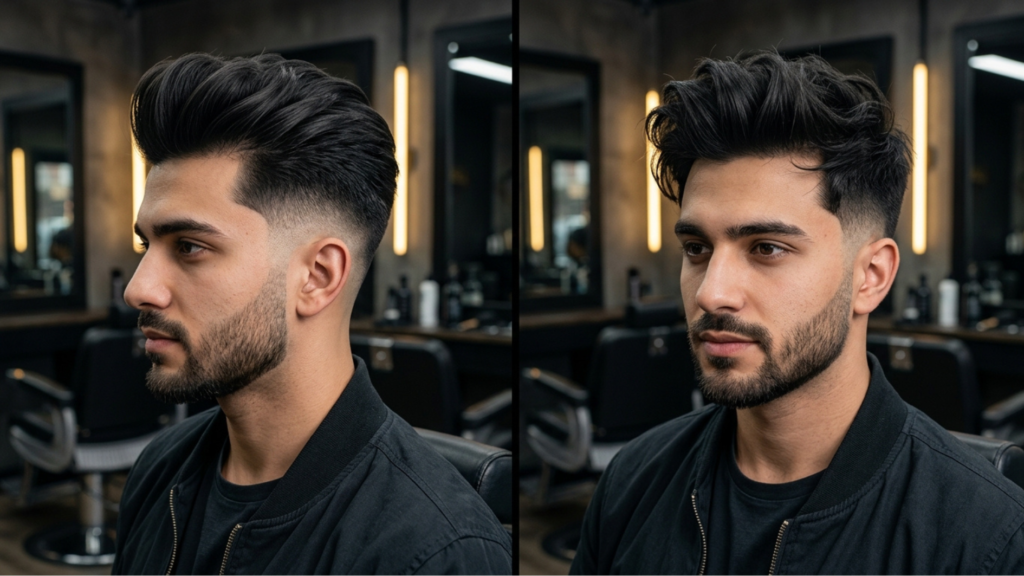
The mid fade quiff creates lift at the front while keeping the sides neat. Unlike a highly structured pompadour, a quiff can look relaxed and textured. It works particularly well with straight and wavy hair, although other textures can also suit the style. Use a blow dryer to lift the front, then apply a small amount of styling product to hold the shape..
Mid Fade Modern Mullet
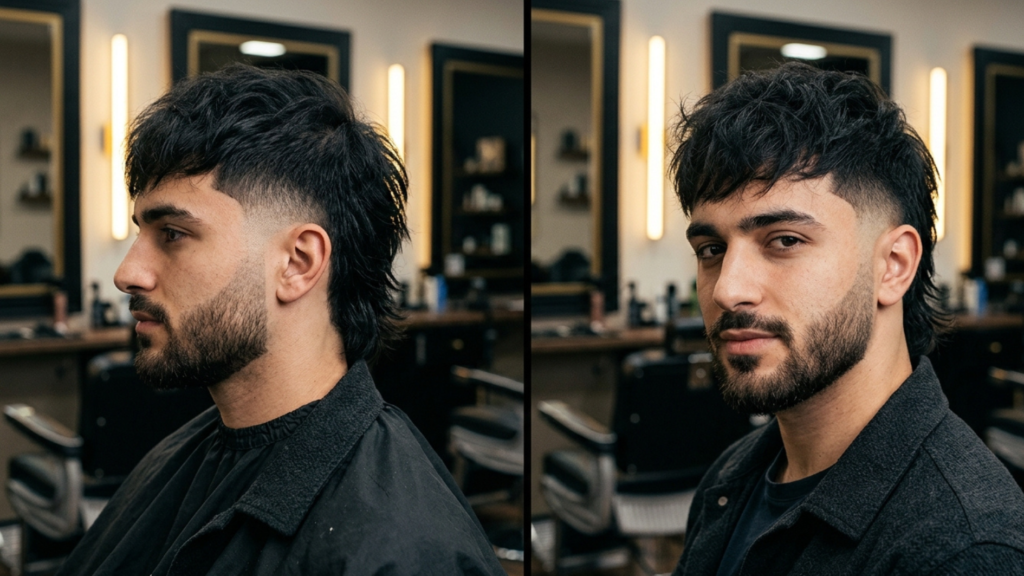
The mid fade modern mullet combines shorter sides with additional length at the back. The contrast creates a distinctive silhouette, especially when paired with textured layers or natural waves. A drop or burst fade can complement the shape. Explain how much length you want behind the ears and at the neckline to ensure the final cut matches your preference.
Different Types of Mid Fade Haircuts
Mid fades vary according to how short the hair becomes and how the fade follows the head. A mid bald fade reaches bare skin, creating strong contrast, while a mid shadow fade leaves a thin layer of visible hair. Both can look excellent, but they produce different results. Choose a bald finish for a sharper appearance or a shadow finish for a softer transition.
A mid temp fade focuses on the temple area, while a mid drop fade curves downward behind the ears. A mid burst fade creates a rounded shape around the ears, leaving more length toward the back. These variations allow you to customize the haircut without changing the basic principle of gradually shortening the sides.
The difference between a taper and a full fade also matters. A taper usually focuses on areas such as the sideburns and neckline, while a full fade blends a larger portion of the sides. Because barbers sometimes use these terms differently, explain the result you want rather than relying only on the haircut’s name. Reference photos can help communicate the exact shape.
Mid Fade vs. Low Fade vs. High Fade: What’s the Difference?
The main difference between these haircuts is the starting position of the fade. A low fade begins close to the ears and neckline, a mid fade starts around the middle of the sides, and a high fade begins higher on the head. This placement changes the haircut’s overall contrast and silhouette.
| Feature | Low Fade | Mid Fade | High Fade |
| Fade placement | Near the ears | Middle of the sides | Higher toward the temples |
| Appearance | Subtle and classic | Balanced and defined | Bold and dramatic |
| Contrast | Usually lower | Moderate | Usually higher |
| Popular combinations | Side part, slick back | Crop, curls, quiff | Buzz cut, faux hawk |
| Styling flexibility | Very versatile | Very versatile | Best for strong contrast |
A mid fade is a useful middle ground if you want clean sides without taking the fade too high. It creates enough contrast to highlight the top while retaining a balanced appearance. Choose a low fade if you prefer a more understated cut. A high fade may suit you if you want a stronger contrast between the top and sides.
Best Mid Fade Haircuts for Different Hair Types and Textures
Your hair texture influences how a mid fade looks and how easily you can style it. Straight hair often shows defined shapes, while curls and waves add natural movement. Hair density also matters because thick hair can create bulk around the sides, while fine hair may need careful shaping to maintain the appearance of fullness.
A mid fade with curly or coily hair can highlight natural texture while keeping the sides controlled. Use curl cream or a suitable leave-in product to maintain definition. Avoid excessive brushing if you want to preserve your natural curl pattern. Your barber should account for shrinkage and leave enough length on top to achieve the shape you want.
For straight or wavy hair, consider a comb over, textured crop, side part, or quiff. Lightweight styling cream can control flyaways, while matte clay adds separation and texture. If your hair tends to lie flat, a blow dryer and volumizing product can help create lift. Avoid heavy products when you want to keep the hair looking light and natural.
Men with thick hair can use a mid fade to reduce bulk around the sides while retaining volume on top. A textured crop or quiff helps shape dense hair without making the haircut look too heavy. For thin or fine hair, a short crop or crew cut can be a practical choice. A softer fade may look more balanced if a skin-level finish makes the scalp more visible.
Afro-textured hair also pairs well with a mid fade. You can choose a natural rounded top, short curls, twists, or another style that complements your texture. The barber should consider your hair density and natural growth pattern rather than applying the same cutting technique to every curl type.
Which Face Shapes Look Best with a Mid Fade?
A mid fade can suit round, oval, square, oblong, heart-shaped, and diamond-shaped faces. However, the best combination depends on your facial proportions and preferred appearance. The fade creates a clean outline, while the top hairstyle influences how much height or width the overall cut appears to have.
For a round face, a textured quiff or slightly lifted top can create the appearance of extra length. Men with oval faces can experiment with almost any top style, including crops, curls, comb overs, and slick backs. A square face often works well with a crew cut or textured top that complements a defined jawline.
If you have an oblong or rectangular face, consider a textured fringe or moderate top length instead of excessive height. This can help maintain balanced proportions. Heart-shaped faces may suit side-swept hair or a textured fringe, while diamond-shaped faces can benefit from styles that complement prominent cheekbones. These are general suggestions rather than strict rules, so choose a haircut that feels right for you.
Best Hairstyles to Pair with a Mid Fade Haircut
A mid fade works with many hairstyles, allowing you to choose a look that matches your daily routine. A mid fade crew cut offers a simple, low-maintenance option, while a mid fade buzz cut creates an even shorter appearance. Both styles keep the top manageable and rely on the fade to provide definition.
For a more textured look, try a mid fade French crop or a style with a forward fringe. These options create movement without requiring a long top. A mid fade slick back offers a more polished finish, while a mid fade side part works well for men who prefer a classic appearance. Choose products that provide control without weighing your hair down.
If you want something more distinctive, consider a mid fade faux hawk or mohawk. These styles direct attention toward the center of the head and create stronger contrast. A mid fade haircut with long hair on top offers another option, allowing you to brush the hair backward, sweep it to the side, or wear it naturally. The best combination depends on your hair type and how much styling you enjoy.
How to Choose the Right Mid Fade for Your Style
Start by deciding how much contrast you want. A mid skin fade creates a sharp appearance, while a mid shadow fade offers a softer finish. Next, consider the length of your top hair. Short crops and crew cuts are easy to manage, while quiffs, pompadours, and longer styles require more styling time.
Your hairline and head shape should also influence the decision. If you have a strong cowlick, your barber may need to adjust the top length to accommodate its growth direction. If your hair is thinning, a softer fade and shorter top may create a more balanced look. A beard can also affect the overall shape, especially when the sideburns blend into the facial hair.
Before your appointment, find reference photos that show the front, sides, and back. Explain whether you want a natural hairline or sharper edges, and mention how short you want the sides. Clear instructions help your barber understand your expectations and create a style that suits your features.
How to Ask Your Barber for a Mid Fade and Maintain It
When asking for a mid fade, explain the placement, shortest length, and top style you want. You could say, “I’d like a mid fade starting around the middle of the sides, blended smoothly into the top. Keep enough length on top for texture, and give me a natural hairline with a clean neckline.” Adjust these instructions to suit your preferred finish.
If you want a skin fade, tell your barber that you want the shortest section blended down to bare skin. If you prefer a shadow fade, explain that you want some visible hair remaining at the bottom. Mention whether you want your beard connected to the sideburns, and ask your barber to confirm the fade placement before cutting.
Mid fade maintenance depends on how quickly your hair grows and how sharp you want the cut to remain. Many men schedule touch-ups every two to four weeks, while skin fades may require more frequent visits. Between appointments, wash your hair as needed and use styling products suited to your texture.
For daily styling, apply a small amount of product to clean, damp hair. Use matte clay for texture, cream for softer control, or pomade for a more structured slick back. A blow dryer can add volume to a quiff or pompadour. Avoid using too much product, as it can weigh down the hair and make the top look greasy.
Frequently Asked Questions
What is a mid fade haircut?
A mid fade gradually shortens the hair around the sides and back, starting around the middle of the head. It creates a balanced look that works with many top hairstyles.
Is a mid fade the same as a medium fade?
Yes, the terms are commonly used interchangeably. Both generally describe a fade that begins around the middle of the sides, although exact placement can vary between barbers.
How long does a mid fade last?
The haircut may look freshly cut for one to two weeks, depending on your hair growth and the fade type. Many men schedule maintenance every two to four weeks.
Which mid fade is best for curly hair?
A mid fade with natural curls is a versatile choice. You can also try a mid burst fade or textured crop, depending on your preferred length and shape.
Does a mid fade look good with a beard?
Yes. A mid fade can complement short stubble or a full beard. Blending the sideburns into the beard creates a smoother transition.
Conclusion
The Mid Fade offers a versatile balance between clean sides and flexible styling options. You can choose a classic fade for everyday wear, a skin fade for sharper contrast, or a drop or burst variation for a distinctive shape. The right choice depends on your hair texture, face shape, preferred top length, and maintenance routine.
Before visiting your barber, decide how short you want the sides and how you plan to style the top. Bring reference photos and explain whether you prefer a natural or sharp finish. With the right combination and regular touch-ups, a mid fade can deliver a clean, personalized look that fits your lifestyle.

Welcome to TaperLook! I’m Habib, a dedicated content writer with 1.5 year of experience in SEO, digital content, and website growth. I specialize in creating engaging, reader-friendly, and search-optimized content that helps websites reach a wider audience and strengthen their online presence.