
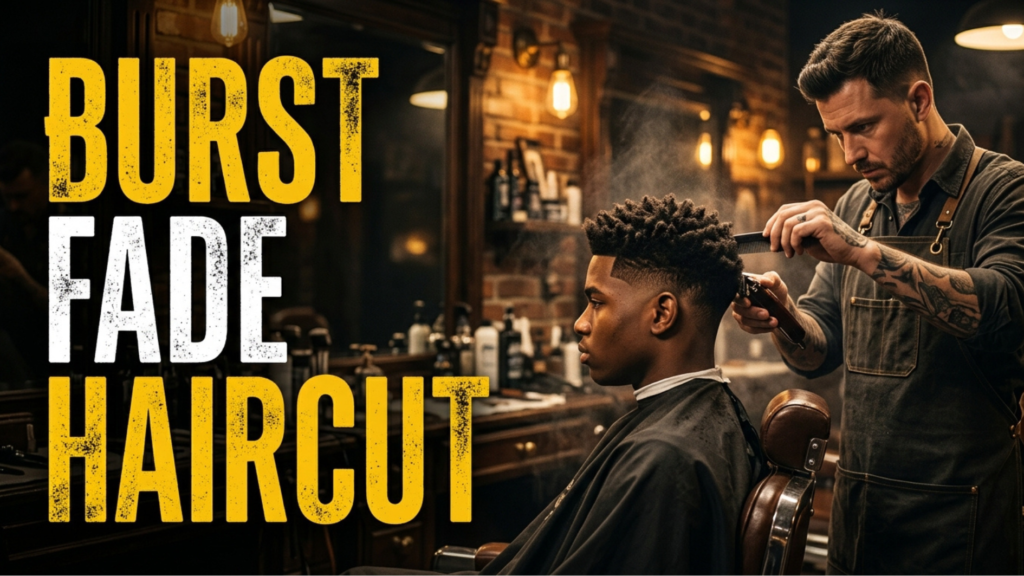
A great haircut can instantly refresh your appearance, and the burst fade is a popular choice for men who want a modern, versatile look. Its signature feature is a curved fade around the ears that creates a clean shape while leaving room for different hairstyles on top and at the back. You can combine it with a modern mullet, textured crop, curly top, mohawk, or classic quiff.
However, choosing the right version depends on your hair texture, face shape, and preferred maintenance routine. This guide explores 12 of the best burst fade styles, explains the different types, and shares practical tips for getting the perfect haircut.
What Is a Burst Fade Haircut and How Does It Work?
A burst fade haircut is a men’s hairstyle that gradually shortens the hair in a semicircular pattern around the ears. Unlike a traditional fade that often follows a more continuous path around the sides and back, this style focuses on the area surrounding each ear. The hair usually remains longer toward the crown and back, creating a distinctive shape that works with many modern hairstyles. Depending on your preference, the fade can be subtle, dramatic, or taken down to the skin.
Barbers create this look using different clipper guard lengths and careful blending techniques. The shortest hair sits around the ear, while the surrounding sections gradually become longer. A clean neckline, blended sideburns, and a natural hairline help complete the haircut. The top can remain short and textured or grow longer for extra volume. This flexibility makes the burst fade suitable for men who want something different without committing to one specific hairstyle.
The most important feature is the curved fade around the ears. This semicircular shape creates contrast while preserving more hair at the back than many conventional fades. It also complements hairstyles that rely on a longer central section, including mullets and mohawks. Your barber can adjust the fade height, top length, and neckline to suit your preferred appearance.
What Are the 12 Best Burst Fade Haircut Styles for Men in 2026?
The best burst fade styles combine the curved sides with a top and back length that match your personality and hair texture. Some options look clean and understated, while others create a bold appearance through extra height, curls, or length. Here are 12 popular variations to consider.
1. Classic Burst Fade
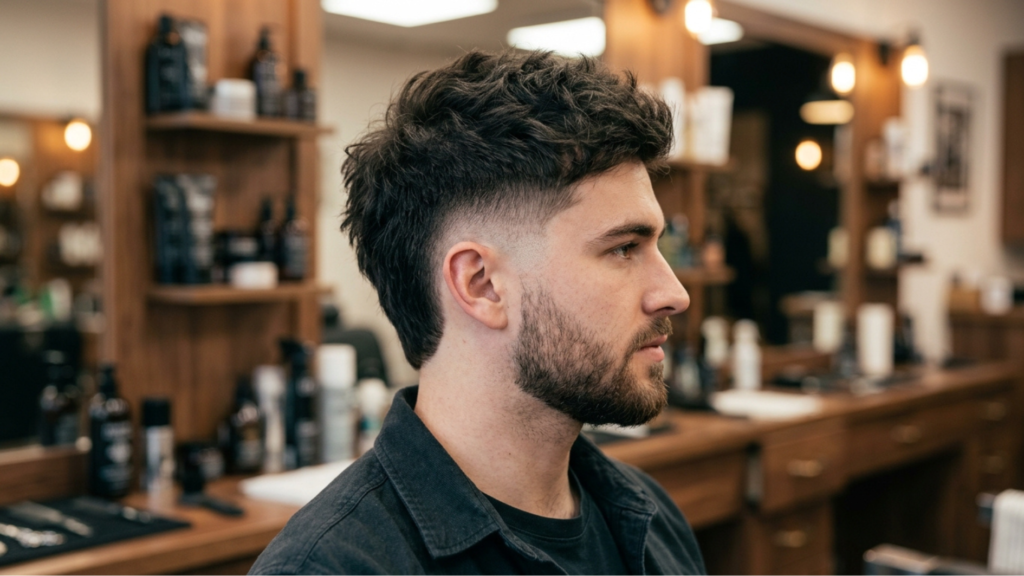
The classic burst fade keeps the sides neatly blended while maintaining a balanced length on top and at the back. It offers a modern appearance without looking overly dramatic, making it suitable for everyday wear. You can style the top forward, sweep it sideways, or leave it naturally textured. This version works well if you want a fresh haircut that remains flexible for different occasions.
2. Low Burst Fade
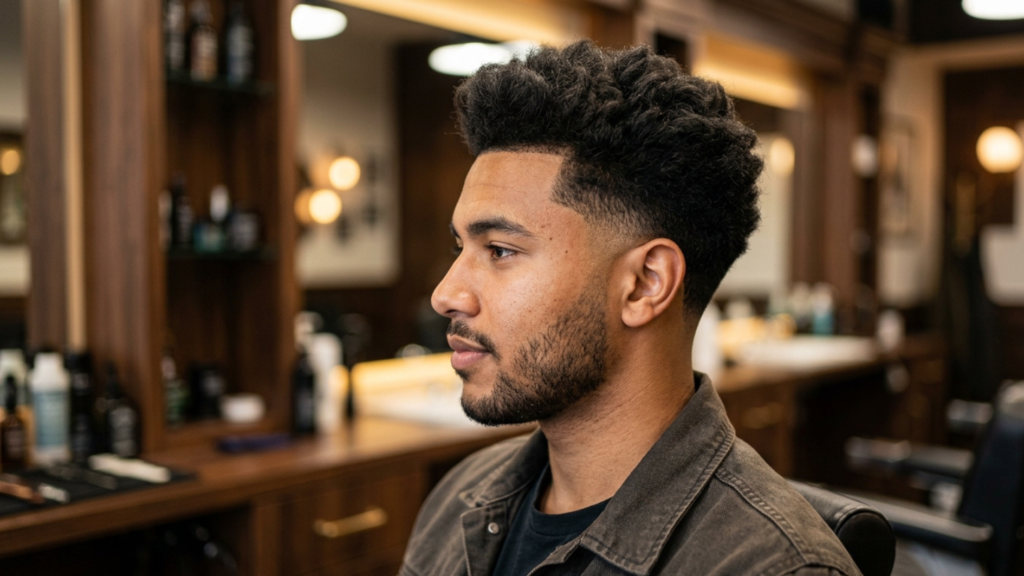
A low burst fade begins close to the ears and preserves more fullness around the upper sides. Its subtle appearance makes it a practical option for anyone trying this haircut for the first time. You can combine it with short curls, a crew cut, a textured top, or a modest mullet. Ask your barber for a low fade height and a smooth transition if you prefer a softer finish.
3. Mid Burst Fade
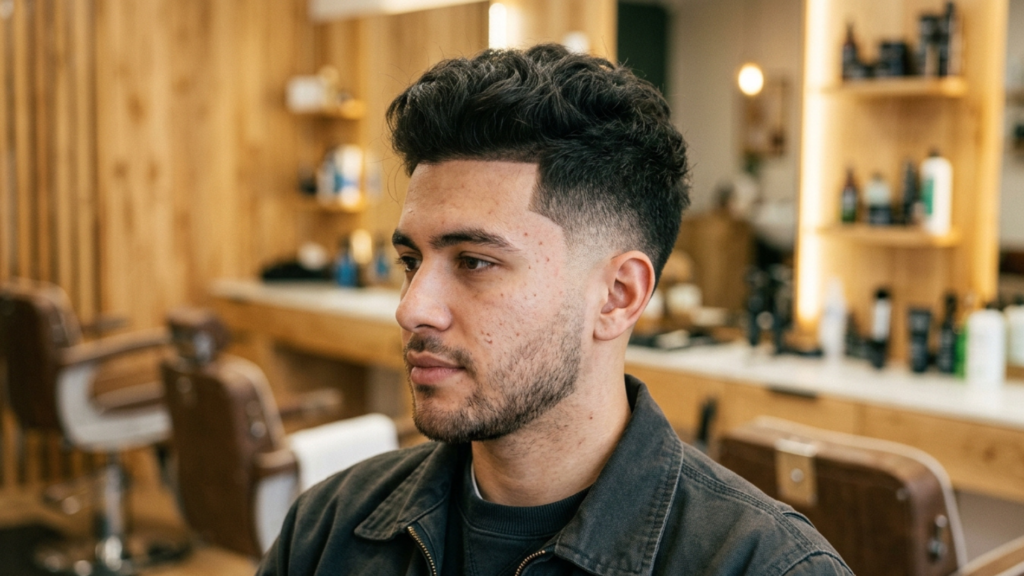
A mid burst fade offers a balance between a subtle cut and a high-contrast style. The fade rises farther around the ears, making its curved shape more noticeable while leaving enough length for several hairstyles. It pairs well with a quiff, textured crop, short curls, or a modern mullet. Choose this version if you want the sides to stand out without making the fade the only noticeable feature.
4. High Burst Fade
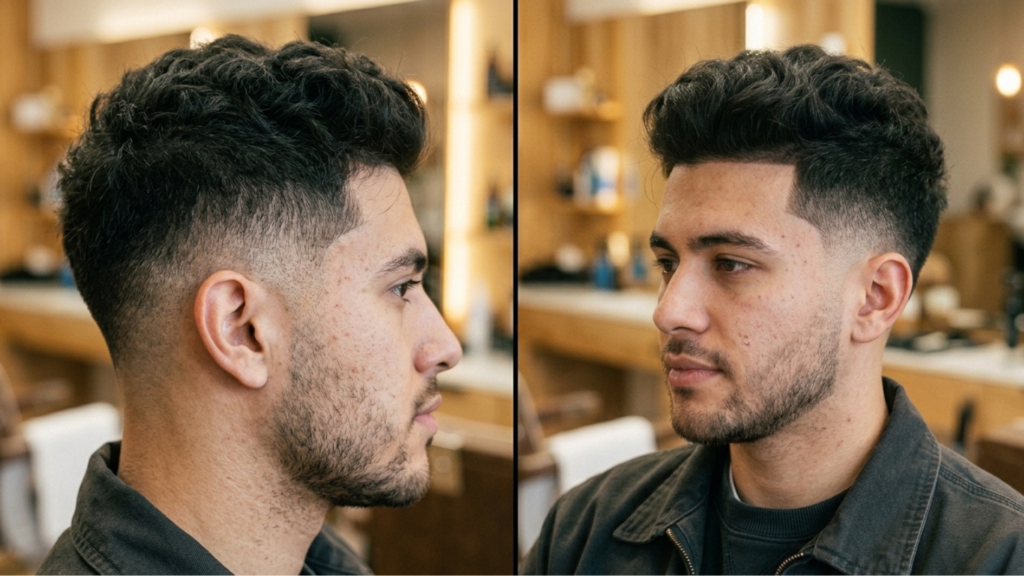
A high burst fade creates a stronger contrast by taking the shortest section higher around the ears. It often works well with a mohawk, faux hawk, or high top because the remaining hair becomes the main focus. This option can produce a sharp, dramatic appearance, particularly when combined with a skin-level finish. Before choosing it, discuss the fade height with your barber because a higher fade exposes more of the sides.
5. Burst Fade Mullet
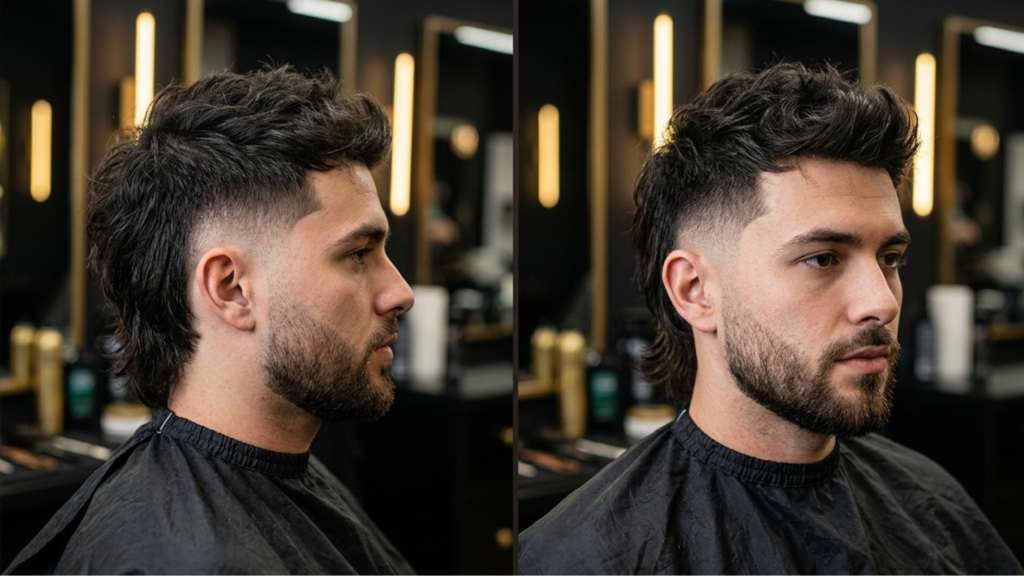
The burst fade mullet combines short, curved sides with longer hair at the back. This contrast creates a distinctive silhouette that can look edgy, relaxed, or polished depending on the top length and texture. A modern mullet often uses soft layers and a blended transition instead of an abrupt separation between the sides and back. It suits straight, wavy, and curly hair, although the final shape will vary with natural density.
6. Burst Fade Mohawk
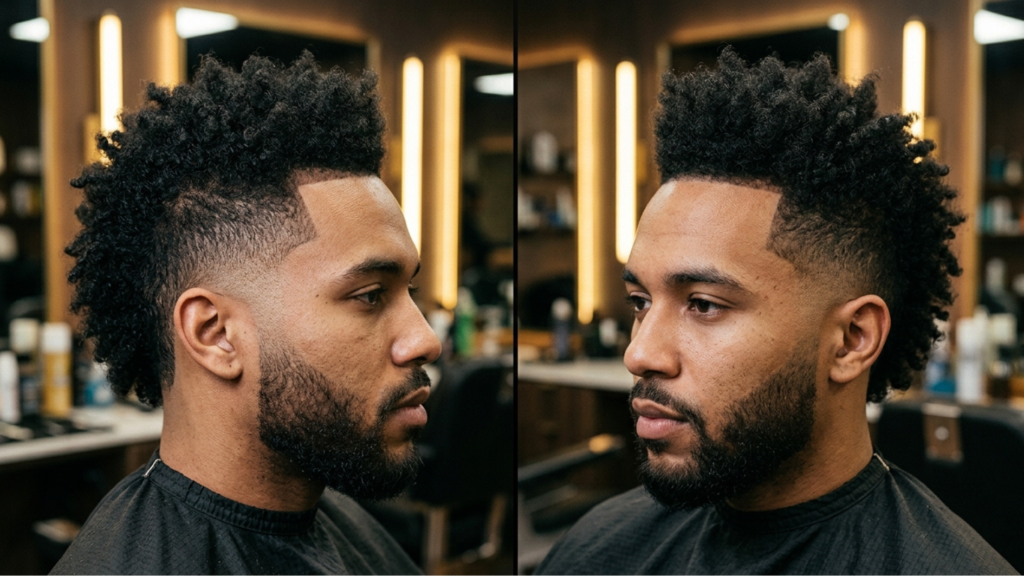
A burst fade mohawk keeps a longer strip of hair running from the front toward the back while the sides fade around the ears. The central section can remain short and textured or grow longer for extra height. This creates a bold shape without requiring a completely shaved head. Curly and coily hair can add natural volume to the central strip, while straight hair can be styled upward with a suitable styling product.
7. Burst Fade Faux Hawk
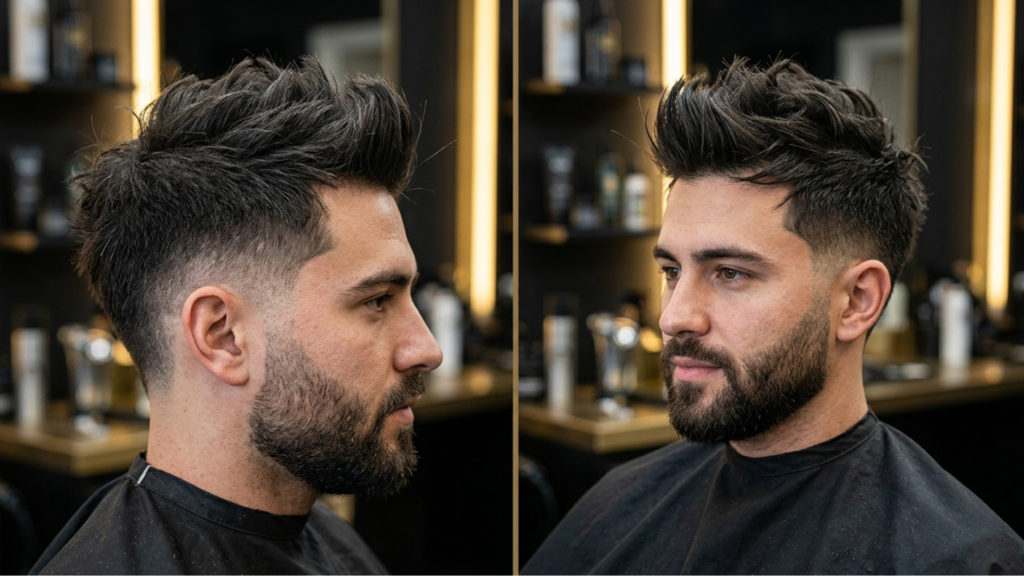
The burst fade faux hawk creates a mohawk-inspired shape without leaving such a sharply defined central strip. The hair gradually rises toward the middle, producing a textured appearance that feels less dramatic than a traditional mohawk. A small amount of matte clay can help direct the hair upward and inward. This style works particularly well with short or medium-length hair and suits men who want flexibility in their daily styling routine.
8. Curly Burst Fade
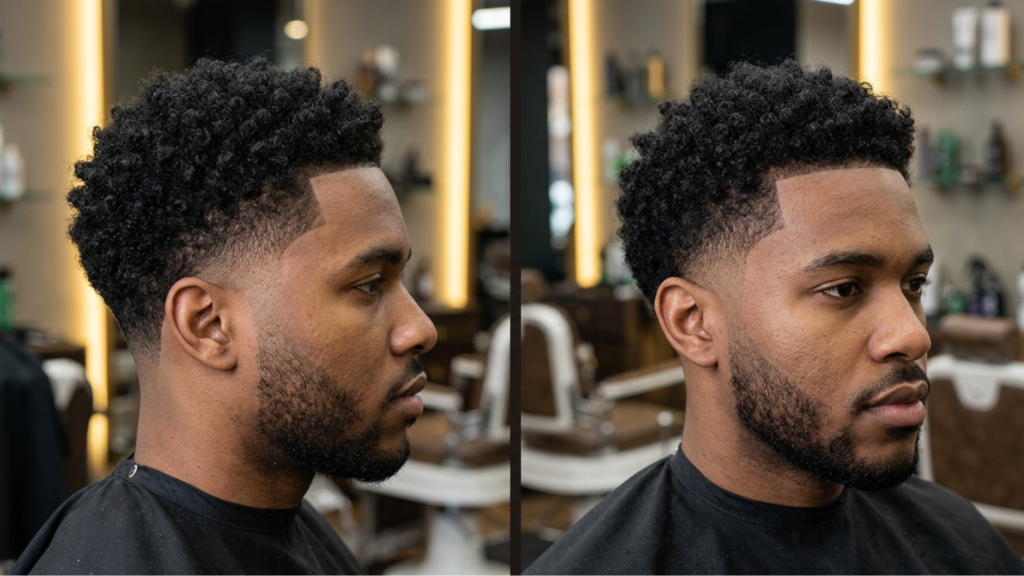
A curly burst fade preserves natural curls on top while cleaning up the area around the ears. The contrast between defined curls and shorter sides creates a balanced, modern hairstyle. You can keep the curls compact for easier maintenance or grow them longer for more volume. A lightweight curl cream can improve definition and manage frizz. Ask your barber to account for curl shrinkage so the finished length matches your expectations.
9. Burst Fade Textured Crop
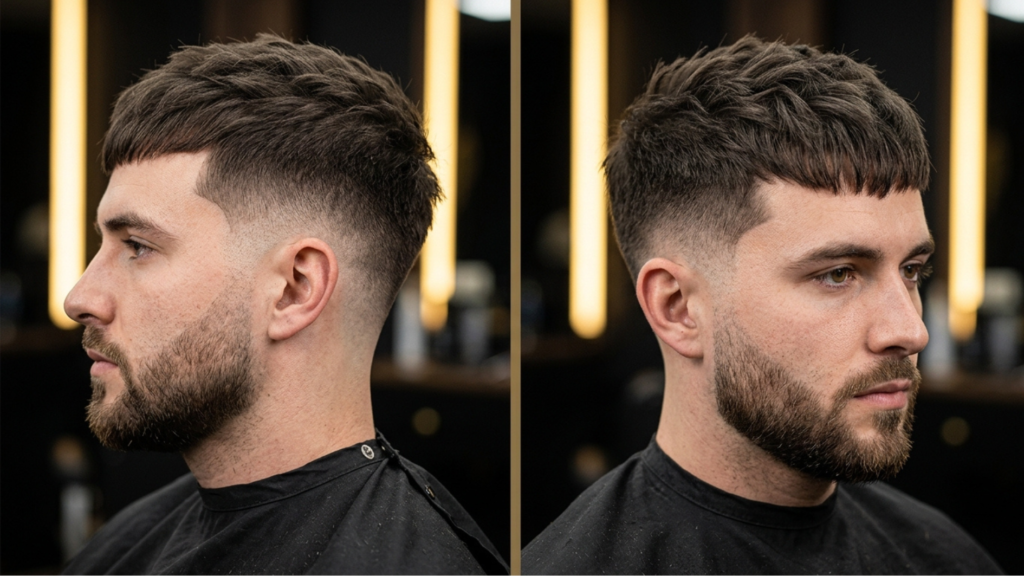
The burst fade textured crop combines a short, uneven top with neatly blended sides. Its choppy texture adds movement without requiring much length or complicated styling. You can wear the hair forward, add a short fringe, or create a slightly messy finish with matte clay. This option is practical for men who prefer a low-effort hairstyle. If your hair is fine, choose lightweight products that do not weigh down the strands.
10. Burst Fade French Crop
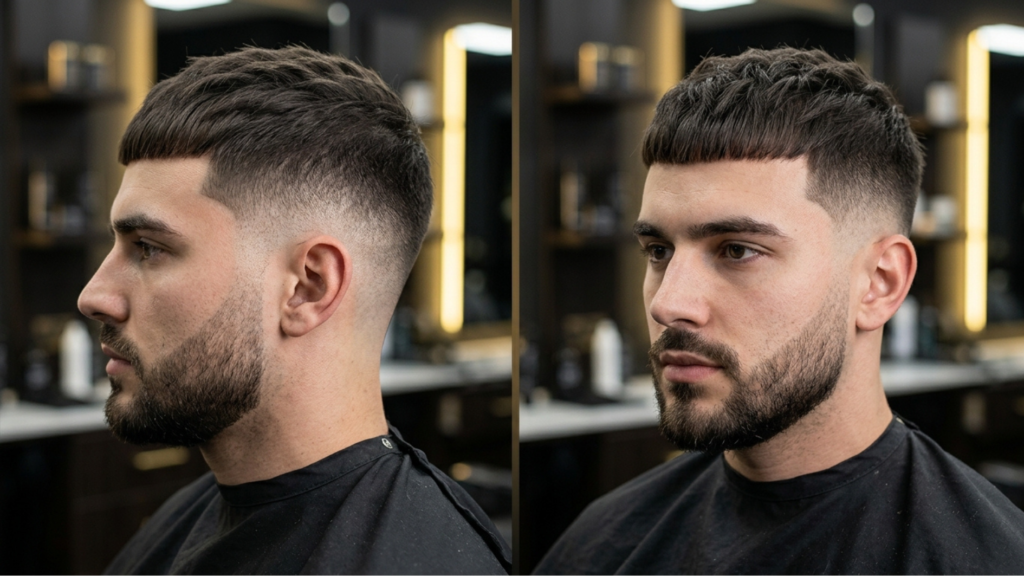
A burst fade French crop features a short top and a forward fringe. It creates a compact, defined appearance that works well for men who want a simple styling routine. The curved fade adds a distinctive detail to an otherwise classic short haircut. You can ask your barber for a blunt fringe or a softer, textured edge depending on your preference. Keep the fringe proportionate to your forehead for a balanced finish.
11. Burst Fade Pompadour or Quiff
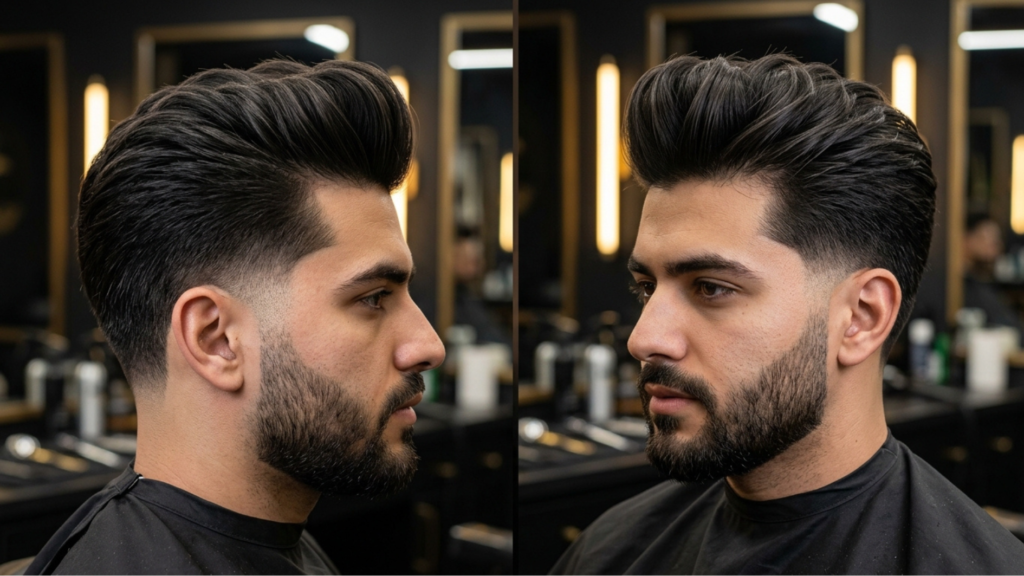
A burst fade pompadour features a fuller top styled upward and backward, while a quiff usually has a more relaxed front with natural movement. Both styles create contrast against the shorter sides. You will generally need enough length on top to achieve visible lift. A blow dryer can help create volume, while a lightweight pomade or matte styling product provides control. Choose a flexible hold if you want the hairstyle to move naturally.
12. Burst Fade With Beard or Design
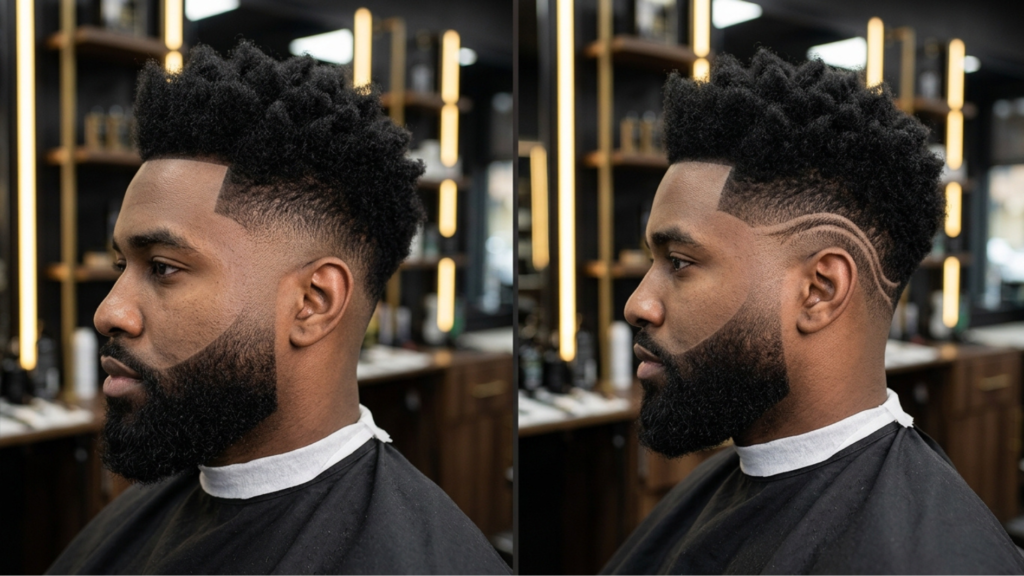
A burst fade with beard connects the haircut to your facial hair through carefully blended sideburns. The beard can remain short and neat or grow fuller, depending on your preferred look. The barber should shape the transition so the haircut and beard appear connected rather than separated by an abrupt line.
Another option is a burst fade with design, which adds a shaved line or simple pattern near the faded area. This detail creates extra visual interest, but it may require more frequent touch-ups as the hair grows. Other variations include a burst fade comb over, slick back, buzz cut, crew cut, side part, high top, afro, and dreadlocks. Each combination changes the overall appearance while preserving the curved fade around the ears.
What Are the Different Types of Burst Fade Haircuts?
Burst fades vary according to their height, the closeness of the cut, and the way the shorter sections blend into longer hair. Understanding these differences makes it easier to explain your preferred style to a barber. Instead of requesting a generic burst fade, consider how much contrast you want and whether you prefer a soft or sharp finish.
A low burst fade keeps the shortest area close to the ears, while a mid burst fade creates a more visible curve. A high burst fade removes more hair from the upper sides, producing a stronger contrast. Your choice should depend on your hairstyle, head shape, and personal comfort. If you want a dramatic mullet or mohawk, a higher fade may complement the shape. For a more conservative look, a low or mid version can be a better starting point.
The finish also makes a difference. A skin fade takes the shortest area down to bare skin, creating a crisp appearance. A shadow fade leaves a little hair at the shortest point, giving the transition a softer look. A burst fade taper combines the curved fade with a more gradual finish around areas such as the temples or neckline. Skin fades often show regrowth sooner, while shadow fades can look softer as the hair grows.
Burst Fade vs. Drop Fade vs. Taper Fade: What Is the Difference?
Although these hairstyles all involve shorter hair and blending, their shapes are different. A burst fade curves around the ears, a drop fade follows a descending path toward the back of the head, and a taper fade usually shortens the hair gradually around specific areas such as the temples and neckline.
| Feature | Burst Fade | Drop Fade | Taper Fade |
| Main shape | Curves around the ears | Drops toward the back | Gradually shortens around selected edges |
| Appearance | Distinctive sides with extra back length | Follows the rear contour of the head | Clean, subtle finish |
| Popular combinations | Mullet, mohawk, curls | Textured crop, pompadour | Side part, crew cut, classic styles |
| Contrast | Depends on height and finish | Depends on height and finish | Often subtle, but can be sharp |
| Maintenance | Regular curved-area touch-ups | Regular work along the fade | Often grows out more naturally |
Choose a burst fade if you want the area around your ears to stand out while retaining length behind them. A drop fade may suit you better if you prefer the fade to follow the natural contour of your head. A taper is a good choice when you want a restrained finish around the temples and neckline.
The right option depends on your preferred hairstyle and maintenance routine. For example, a burst fade mullet creates a strong contrast between the sides and back, while a taper with a side part offers a more traditional appearance. Reference photos can help your barber understand the exact shape you want.
Who Does a Burst Fade Suit Best? Face Shapes and Hair Types Explained
A burst fade can work with many face shapes and hair textures, but the best version depends on proportion. The fade changes the appearance of the sides, while the top and back determine much of the overall silhouette. A good barber adjusts these elements to suit your features rather than copying a reference photo without considering your hair.
An oval face shape generally works with many styles, including crops, quiffs, curls, and mullets. A round face shape may benefit from some height or texture on top, which can create a more elongated visual effect. A square face shape often pairs well with a defined fade and textured top, complementing a strong jawline. Men with a diamond face shape may prefer a top that adds some balance around the forehead, while a heart-shaped face can suit styles that avoid excessive height at the front.
For an oblong or long face shape, moderate top volume can help maintain balanced proportions. These suggestions are not strict rules. Your hair density, head shape, and personal preferences matter just as much as facial proportions.
Hair texture is equally important. Straight hair works well with a French crop, comb over, side part, or slick back. Wavy hair adds natural movement to a textured crop, quiff, or mullet. Curly hair creates volume and definition, making it an excellent match for a curved fade. Coily and Afro-textured hair can work well with a burst fade afro or high top when the barber understands the hair’s natural growth pattern.
Fine or thin hair can also work with this haircut. A shorter textured top may create the appearance of fullness, while excessive length or heavy products can make fine strands look flatter. If your hair is thinning, discuss how much scalp exposure you feel comfortable with before choosing a very high or skin-level fade.
How Do You Choose the Right Burst Fade Haircut?
Choosing the right burst fade starts with three decisions: the height of the fade, the length of the top, and the shape you want at the back. These details determine how dramatic or subtle the haircut will appear. Think about your daily routine, hair texture, and the amount of styling you are willing to do.
A low fade creates a softer appearance, while a mid fade offers more visible contrast. A high fade produces a stronger outline and often suits mohawks, high tops, and modern mullets. You should also decide whether you prefer a skin-level finish or a softer shadow fade. If you are unsure, ask your barber to recommend a starting point based on your head shape and natural hairline.
Next, match the fade to your top hairstyle. A textured crop works well with shorter hair, while a pompadour needs enough length to create lift. A mullet depends on preserving the back, and a mohawk needs a clearly defined central section. Bring two or three reference photos showing the front, side, and back. Explain which features you like so your barber can adapt them to your hair.
Finally, consider maintenance. A short crop with a shadow fade may suit someone who wants a simple routine. A skin fade, shaved design, or elaborate pompadour often needs more attention to maintain its shape. The best haircut is one that looks good in everyday life, not just immediately after leaving the barbershop.
What Should You Tell Your Barber to Get the Perfect Burst Fade?
Clear instructions help your barber understand the shape you want. Instead of saying only “give me a burst fade,” describe the fade height, shortest length, top style, and amount of hair to preserve at the back. If you want a mullet, mohawk, or high top, mention it before the cutting begins.
You could say, “I want a mid burst fade curved around the ears, with a soft blend and enough length at the back for a modern mullet. Keep the top textured, preserve my natural hairline, and avoid taking the fade too high.” Adjust this example to match your preferred hairstyle. For curly hair, ask the barber to preserve curl definition and account for shrinkage. For a comb over, explain how much length you need to sweep the hair to one side.
Reference photos are particularly useful because they show the exact shape, fade height, and back length you want. Discuss whether you prefer a skin fade or shadow finish, and ask how the style will look as it grows out. You should also explain your hair texture and any areas where your hair grows differently. These details help the barber create a haircut that suits you rather than simply copying a photograph.
Before the cut begins, confirm the neckline and sideburn finish. A tapered neckline creates a softer appearance, while a sharper edge looks more defined. If you want a shaved design, specify its position and size. A short consultation can prevent misunderstandings and make future appointments easier.
How to Style a Burst Fade for Maximum Volume and Texture
Styling a burst fade depends on your hair length and texture. The faded sides require little daily effort, but the top may need a product or drying technique to maintain its shape. Start with clean hair and use only enough product to achieve your preferred finish.
For a textured crop, rub a small amount of matte clay between your palms and work it through the top. Use your fingertips to separate the strands and create movement. Avoid pressing everything into place because that can remove the natural texture. For a quiff or pompadour, use a blow dryer to lift the front and direct the hair into position. Finish with a lightweight pomade or flexible styling product.
Curly and coily hair often benefits from curl cream or a suitable leave-in product. Apply it to damp hair and use your fingers to encourage the natural curl pattern. Avoid excessive brushing when the hair is dry, as this can disrupt curl definition and increase frizz. Let the hair dry naturally or use a diffuser if you want additional volume.
Straight hair often responds well to a light paste, matte clay, or flexible pomade. Wavy hair may need only a small amount of styling cream or texturizing spray to enhance its natural movement. If your hair is fine, avoid heavy formulas that make the strands clump together. Adjust your routine until your hair feels manageable without becoming stiff or greasy.
How Often Should You Get a Burst Fade, and How Do You Maintain It?
A burst fade usually looks sharpest when the curved area around the ears remains clean and well blended. How often you need a haircut depends on how quickly your hair grows, how short the fade is, and how precise you want the outline to look. Skin fades and shaved designs often show regrowth sooner than softer shadow fades.
As a general guide, consider a touch-up every two to three weeks if you want a consistently sharp finish. A softer fade may remain presentable for three to four weeks or longer. These are estimates rather than strict rules. Your preferred appearance should determine your schedule, and you do not need to visit the barber simply because a set number of days has passed.
Keep your hair clean and use suitable products for your texture. Curly and coily hair may need extra moisture, while fine hair often benefits from lightweight styling products. Avoid trimming the curved fade yourself unless you have the right tools and experience. An uneven adjustment can disrupt the shape and make the blend harder to repair.
As your hair grows, the transition around the ears becomes less defined. The top and back may also lose their intended proportions, especially with a mullet, mohawk, or pompadour. Regular barber visits help restore the shape without requiring a completely new haircut. If you prefer fewer appointments, choose a lower-contrast fade or shadow finish that grows out more gradually.
FAQs
Is a burst fade suitable for all hair types?
Yes, a burst fade can work with straight, wavy, curly, coily, and Afro-textured hair. The top style and blending technique should match your hair’s density and natural growth pattern.
Is a burst fade professional enough for work?
A subtle burst fade can look neat in many professional environments. A low fade with a short crop is generally more understated than a high fade with a dramatic mullet. Consider your workplace dress code when choosing the finish.
What is the difference between a burst fade and a burst fade mullet?
A burst fade describes the curved fade around the ears. A burst fade mullet combines that fade with longer hair at the back, creating a more distinctive silhouette.
Is a burst fade good for curly hair?
Yes. A curly burst fade preserves natural curls on top while cleaning up the sides. Curl cream and regular shaping can help maintain definition and volume.
How long does a burst fade haircut last?
The shape changes as your hair grows. Many people schedule touch-ups every two to three weeks for a sharp appearance, while others wait three to four weeks or longer.
Conclusion
A burst fade offers a distinctive curved shape around the ears while leaving room to personalize the top and back. You can choose a subtle low fade, a balanced mid fade, or a dramatic high fade. Popular combinations include the modern mullet, mohawk, textured crop, quiff, curly top, and beard blend.
The best version depends on your hair texture, face shape, preferred length, and maintenance routine. Before visiting your barber, decide how high you want the fade, how much length to preserve, and whether you prefer a skin or shadow finish. Bring reference photos and explain the details clearly.
With the right cut and a simple styling routine, a Burst Fade can give you a clean, modern look that fits your personal style while remaining versatile and easy to personalize.

Welcome to TaperLook! I’m Habib, a dedicated content writer with 1.5 year of experience in SEO, digital content, and website growth. I specialize in creating engaging, reader-friendly, and search-optimized content that helps websites reach a wider audience and strengthen their online presence.

Pingback: Mid Fade Haircut: Best Styles, Types, Face Shapes & Styling Guide (2026)